
Last updated November 16, 2026
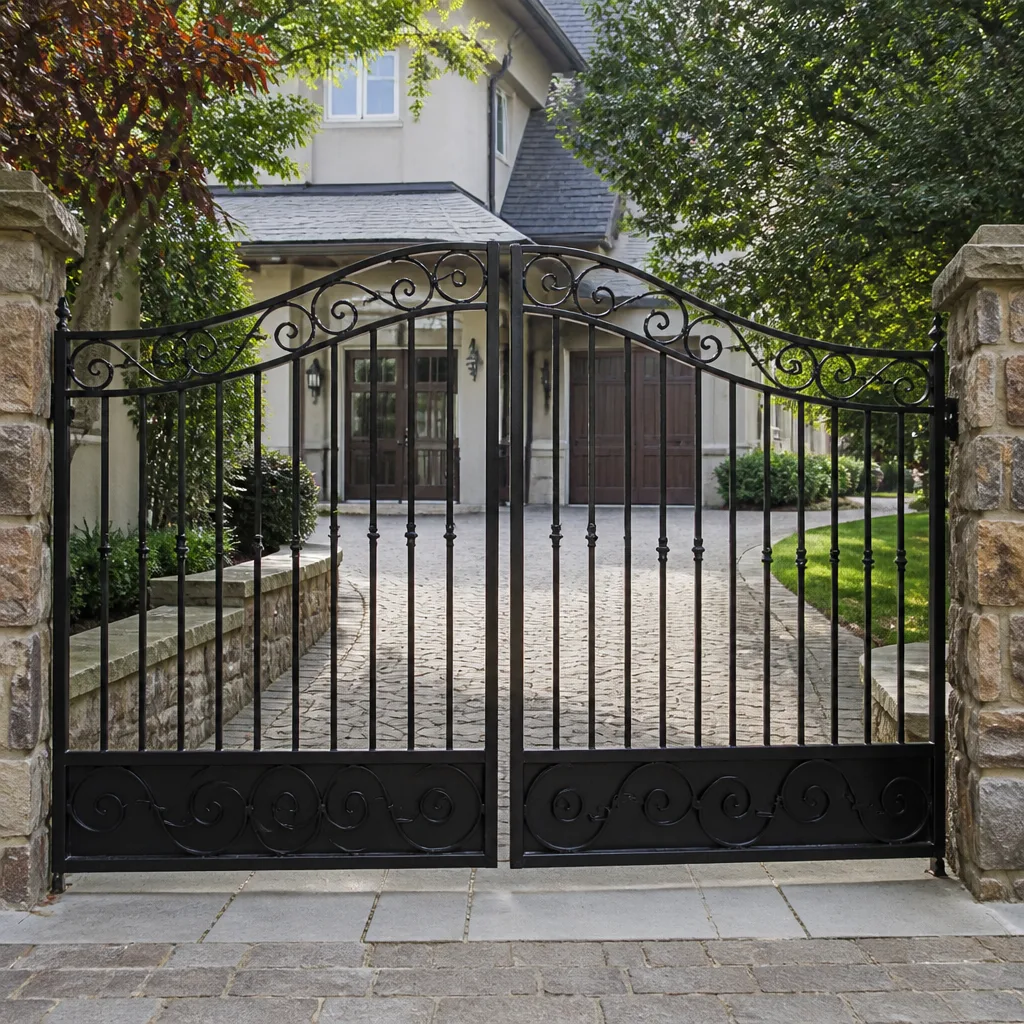 Wrought iron
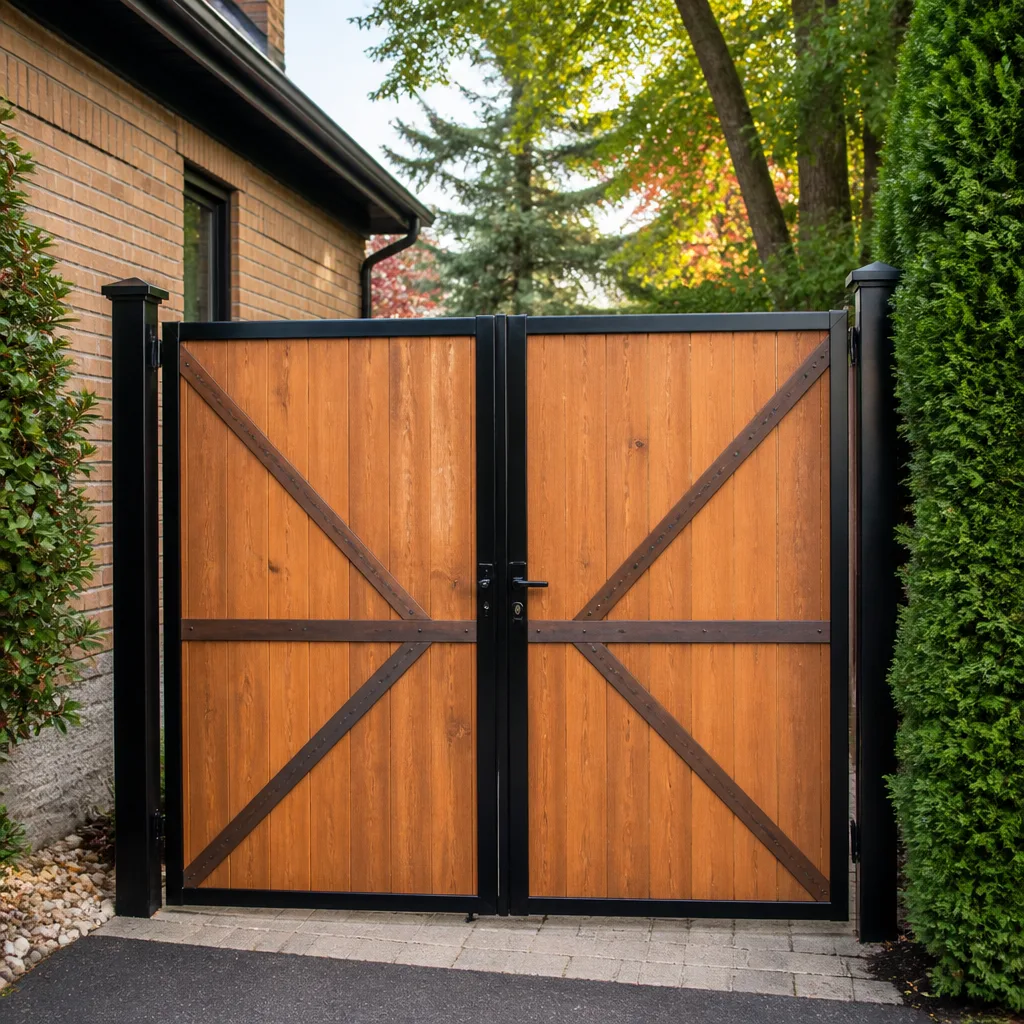 Wood & steel frame
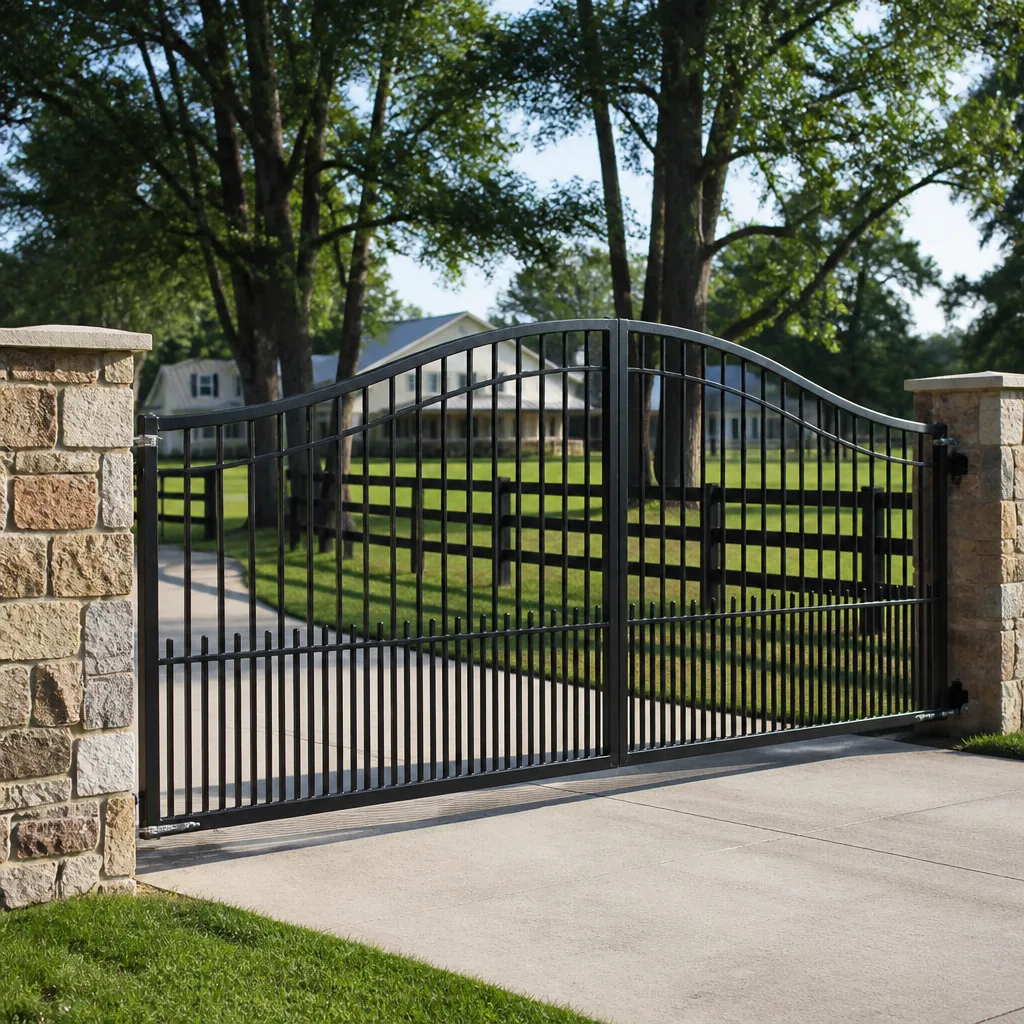 Farm & ranch
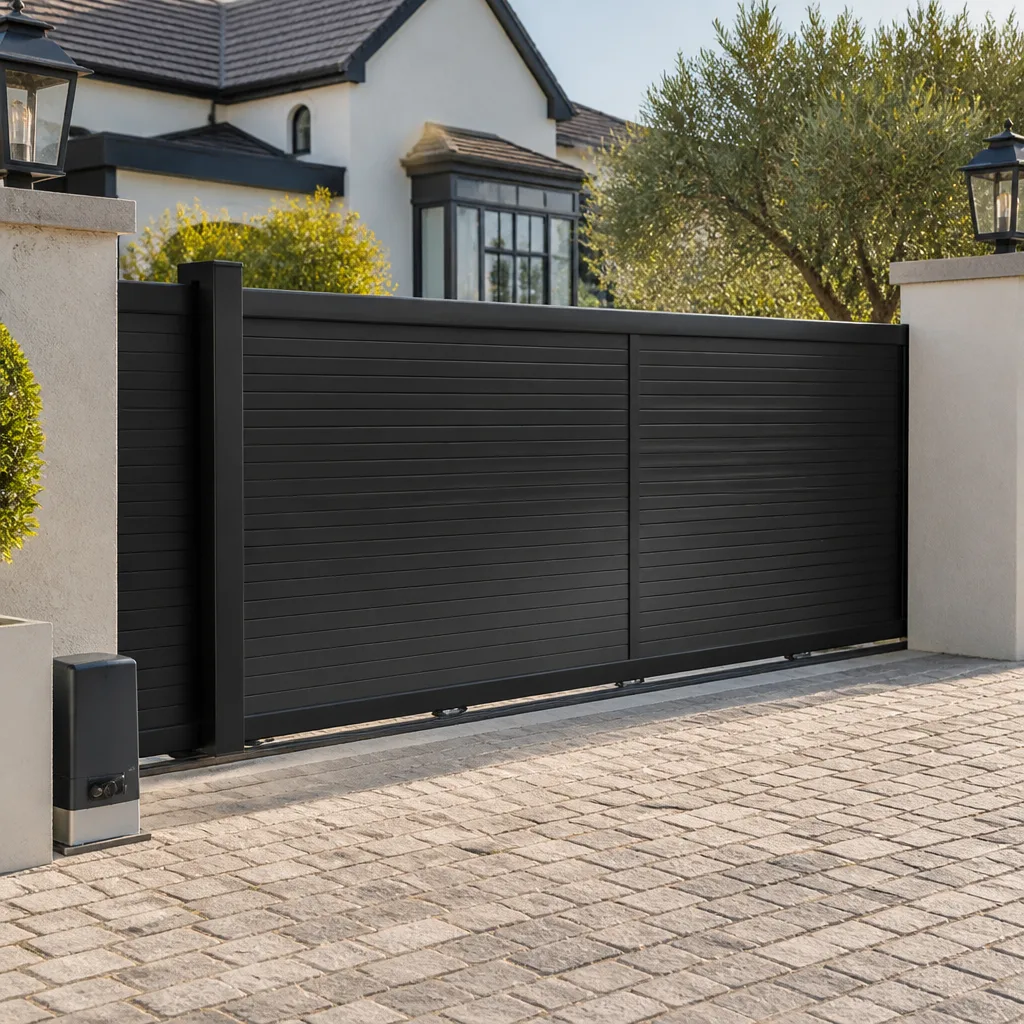 Sliding driveway gates
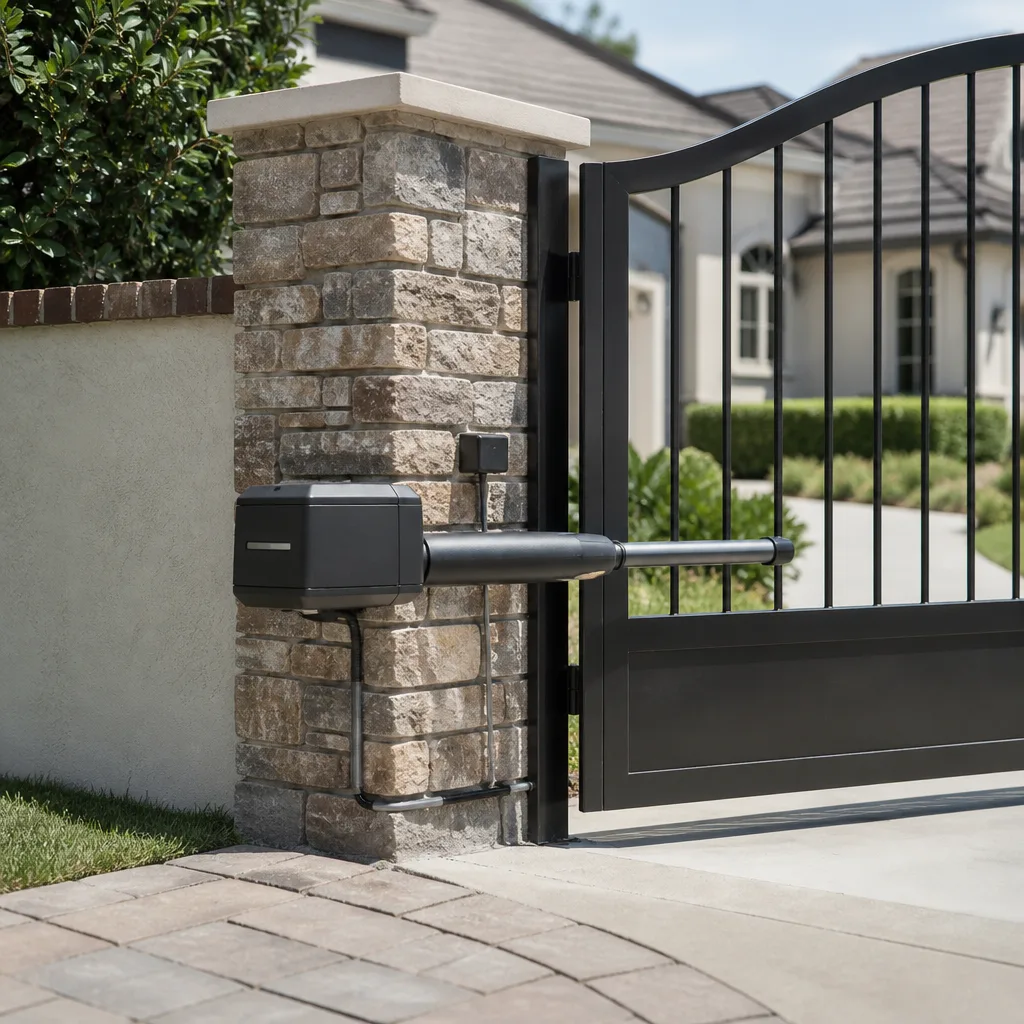 LiftMaster operators
Free on-site gate assessment - hinges, posts, and your LiftMaster or Nice gate operator checked before anything is quoted
The assessment is free and the quote is the invoice.
Get your free estimateChoosing the Right Gate Repair Brand: A Buyer’s Guide for Salinas
The cheapest gate operator to install is often the most expensive one to own in Salinas. That sounds backwards until you’ve watched a gate sit dead for a week and a half while a control board makes its way through a shipping backlog. The brand on the housing matters less than what happens the first time the motor, board, or receiver fails: can the part be found locally, and can a technician read the logic of that system without guessing? We’ve spent years working on gates in and around this valley, and the operators that hold up here aren’t always the ones with the biggest ad budget. This guide compares the brands we actually see and service in Salinas by duty cycle, corrosion resistance, and parts availability, and it gives you the criteria to judge any name on the box.
Quick Answer
For most homes and small commercial properties in Salinas, a name-brand operator with an accessible control board and steady local parts distribution – LiftMaster, FAAC, and DoorKing are the three we see most and can most reliably repair – will cost less to own over time than a cheaper unit with a proprietary board and no local supply chain. Choose by duty cycle rating, housing and finish specs, and how the board is serviced, not by horsepower or sticker price. Any of the nine brands we service can be the right pick when the job, the gate weight, and the climate are matched correctly.
Styles & brands we work with
- Wrought iron
- Wood & steel frame
- Farm & ranch
- Sliding driveway gates
- LiftMaster operators
Table of Contents
- How the major gate operators compare in Salinas
- Why duty cycle beats horsepower for Salinas gates
- Corrosion resistance: what housing and finish specs actually mean here
- Control boards: repairable systems vs. replace-the-whole-operator designs
- Local parts availability and why shipping delays hurt most
- Brand-agnostic criteria every Salinas installation should meet
- How to evaluate a brand in five steps
- Repair or replace: the brand question that comes up at the end
How the Major Gate Operators Compare in Salinas
Most of the automated gates we work on in Salinas carry one of a handful of names. What separates them isn’t marketing. It’s how each one is built for repeated cycling, how its housing holds up in the valley’s morning fog and dusty summers, and how easy it is to source a replacement part when something fails. Here’s how the brands we service most compare on those three fronts.
- LiftMaster – Residential and light commercial swing and slide operators with strong parts distribution. Boards and remotes are generally accessible and the logic is familiar to any gate-trained technician. A sensible default for most Salinas homes.
- FAAC – Hydraulic and electromechanical operators that handle heavy gates and frequent cycling well. Strong in commercial and larger residential driveway applications. Parts availability is good among gate specialists, less so at general hardware stores.
- DoorKing – Commercial-grade slide and swing operators with integrated access control and telephone entry. Common on HOA and multi-unit entries. Control boards are serviceable but require a technician who knows the system.
- Elite – Heavy slide gates, strong for wide openings and higher-cycle use. Fewer points of failure in the mechanical assembly, but parts often need to be ordered through gate suppliers rather than picked up locally.
- Mighty Mule – Entry-level residential DIY-friendly operators. Fine for a light single swing gate, but they cycle less and often force full replacement when the board fails.
- Viking, BFT, Linear, Ghost Controls – Each has its niche: Viking in swing and slide residential, BFT in commercial, Linear in access control and operators, Ghost Controls in solar-friendly residential gates. All carry trade-offs in parts distribution that matter more here than in a big metro.
Notice what’s not on this list: horsepower. It almost never decides which operator will last. The criteria below do. The best way to judge any brand is to ask what a gate repair call on that system actually costs in time and parts when something fails, because that’s the number that compounds over the life of the gate.
Why Duty Cycle Beats Horsepower for Salinas Gates
Duty cycle is the percentage of time an operator can run over a given hour without overheating, and it’s the single most important spec for a Salinas gate. A gate that opens and closes a dozen times a day for a family is a light-duty job. The same gate at a four-unit complex on South Main or a small commercial lot on East Alisal is not, and a light-duty operator installed there will overheat, stall, and wear out its board years before it should. Horsepower tells you how much weight the operator can move once; duty cycle tells you how long it can keep doing it.
Here’s the practical way to think about it:
- Count the cycles. A residential driveway gate typically cycles under 20 times a day. A small commercial or HOA gate can run 100 or more. Match the operator’s duty rating to the cycle count, not the driveway’s looks.
- Weigh the gate, don’t guess it. Gate weight with hardware is higher than most people assume. An operator that’s technically rated for the weight but runs at its limit will overheat on warm days.
- Check the ambient temperature tolerance. Salinas summers hit triple digits in stretches. An operator rated for mild climates but pushed hard in July is a board replacement waiting to happen.
- Look at the operator’s cooling design. Fan-cooled or well-vented housings handle heat better than sealed units. This matters more than motor size once the gate is cycling all afternoon.
- Choose a duty class above the job. The cheapest way to own a gate is to buy one notch of duty cycle above what you think you need.
A homeowner on a quiet cul-de-sac off West Alisal can run a standard residential LiftMaster or Viking operator for years without trouble. An HOA running a gated entry on a schedule needs DoorKing or FAAC-class commercial equipment. Putting a residential operator on a commercial cycle is one of the most common installation mistakes we see in Salinas, and it always ends with a failed board. If you’re not sure which class your gate needs, the free estimate is the place to settle it.
Corrosion Resistance: What Housing and Finish Specs Actually Mean in Salinas
Salinas sits inland in the Salinas Valley. It’s not a coastal town, and the corrosion problem here isn’t salt spray – it’s morning fog, damp ground, and irrigation moisture that keep metal parts wet for part of the day. That’s still enough to rust out a cheap operator housing, seize a chain, or corrode a control board connection over time. The housing material and finish on the operator decide how long it lasts.
When you’re comparing brands, look for these specs:
- Housing material. Cast aluminum or heavy-gauge galvanized or powder-coated steel holds up far better than thin painted steel or plastic in the valley’s damp mornings.
- Finish. A factory-applied powder coat or a galvanized finish beats a painted finish that chips the first time the gate is bumped. Check the seams and fastener points – that’s where rust starts.
- Board sealing. A control board in a sealed or gasketed enclosure survives fog and dust far better than one in an open box. This is a spec, not an upgrade.
- Stainless hardware. Hinges, chain, and mounting bolts should be galvanized or stainless. A good operator bolted down with cheap hardware still rusts loose.
- Drainage and mounting height. Operators should sit above the splash zone from irrigation and runoff. Poor mounting accelerates corrosion more than the brand does.
We work with the specific housing and finish of each supported brand rather than assuming one rule fits all. A LiftMaster residential operator and a DoorKing commercial unit are built differently for exactly this reason, and a technician who works on both knows where each one rusts first. If you’re replacing an operator that died early, the finish is worth checking before you commit to the same brand again.
Control Boards: Repairable Systems vs. Replace-the-Whole-Operator Designs
The control board is the brain of the operator, and it’s the part that fails most often. The difference between a brand you can live with and one you’ll resent comes down to how the board is serviced. Some operators use serviceable boards with replaceable relays, accessible terminal blocks, and a clear diagnostic readout. Others seal the board into the operator and treat any fault as a full-unit replacement. That difference is the single biggest hidden cost in gate ownership.
Here’s what to look for:
- Accessible terminal blocks. A board you can reach and test is a board that can be repaired. Sealed boards can usually only be replaced.
- Replaceable relays and fuses. Many failures are a single relay or fuse. If those are field-replaceable, you’re looking at a small repair instead of a new operator.
- Readable diagnostics. Operators with status LEDs or a code display let a technician diagnose the fault in a single visit. Boards without diagnostics force trial-and-error.
- Board availability. Even a repairable board needs to be sourceable when it does fail. Brands with strong distribution get you back in service faster.
- Compatibility with accessories. A board that accepts standard photo-eyes, loops, intercoms, and receivers is easier and cheaper to maintain than a proprietary system.
This is where a gate specialist matters. A general contractor or handyman has to replace what they can’t diagnose, and that turns a small board fault into a full operator replacement. Our technicians have up to 15 years of experience with the operators we service, and that experience covers motor, control board, intercom, and sensor diagnostics on the same visit. For an electric gate repair call, the question is always “can this board be fixed,” not “how fast can we sell a new gate operator.”
Local Parts Availability and Why Shipping Delays Hurt Most
The gate failure isn’t the expensive part. The week of a dead gate is. When an operator uses a proprietary board or a part with no local distribution, every repair starts with a shipping wait, and the gate stays inoperable until the box arrives. In Salinas, that means a closed gate at a commercial lot off North Davis, an HOA entry stuck partway open, or a family propping a driveway gate shut with a brick while they wait. The right brand is the one whose parts can actually be gotten.
What to ask about any brand:
- Is the board distributed locally? Brand-name operators with strong trade distribution are far more likely to have a board or motor ready to go than off-brand imports.
- How common is the brand in the area? A brand that’s widely installed here means local knowledge and local stock exist. A brand nobody else uses means every part is a special order.
- Does the operator use standard accessories? Standard photo-eyes, receivers, and loops are usually available same day. Proprietary accessories are not.
- Is the brand serviced by gate-focused technicians locally? If the only person in town who knows the system is 60 miles away, the wait is worse.
We service nine operator brands – LiftMaster, FAAC, BFT, Linear, Viking, Ghost Controls, DoorKing, Elite, and Mighty Mule – and that range is deliberate. It means when a part fails, we’re not learning the system from scratch. We work on your brand with the specific logic and components it uses. For the brands outside that list, parts availability is the first thing to check before you buy, because no repair is fast when the part has to ship.
Brand-Agnostic Criteria Every Salinas Installation Should Meet
Brand matters, but the installation decides whether the brand gets a chance. The same operator that fails in two years on a poor installation will run for a decade on a proper one. These are the criteria we hold every installation to in Salinas, regardless of the name on the housing.
- Correct footing depth. Posts and operator pads have to go to proper footing depth for the soil and gate load. A shallow footing lets the gate settle and throws the operator out of alignment.
- Solid power supply and dedicated circuit. Electric gates need a properly sized, dedicated circuit and correct grounding. Undersized wiring causes voltage drop that cooks control boards, and it’s the most common cause of repeat failures.
- Working safety edges and photo-eyes. Every automated gate needs functional safety sensors on the closing edge and across the opening. These are not optional, and they’re the first thing we test on any repair call.
- Correct duty cycle for the job. As covered above, the operator must be rated for the gate’s actual cycle count, not its driveway’s appearance.
- Weather-appropriate housing and finish. Damp fog and dusty summers demand sealed boards and corrosion-resistant housings.
- Proper gate alignment and hardware. A gate that drags puts stress on the operator every cycle. Hinges, rollers, and tracks should allow the gate to move freely before the operator is installed.
- Permits and code compliance. Most cities require a permit for gate and operator work, so check with the city building department before installation, and confirm the installer is properly licensed.
We handle both repair and installation, so a customer never has to hire a separate contractor for the gate structure and the operator. One call covers repair and installation, and the installation is done to the criteria above rather than to whatever the cheapest hardware store had on the shelf.
How to Evaluate a Brand in Five Steps
If you’re choosing an operator for a new gate or replacing a failed one, run any brand through this sequence before you commit. It takes the guesswork out and it works for any name you haven’t seen before.
- Match the duty cycle to the real cycle count. Count how often the gate actually opens and closes in a day and buy one class above it. For a busier property, look at commercial-class operators like DoorKing or FAAC.
- Check the control board. Ask whether the board is field-serviceable, whether relays and fuses are replaceable, and whether there’s a diagnostic code display. If the answer is “replace the operator,” look elsewhere.
- Confirm parts availability. Ask how fast a replacement board or motor can be sourced and whether the brand has local trade distribution. A wait of more than a few days is a cost you’ll feel every time something fails.
- Inspect housing and finish specs. Look for cast aluminum or galvanized or powder-coated steel, gasketed board enclosures, and stainless or galvanized hardware. Compare the rust-prone seams, not the brochure.
- Confirm local service knowledge. Choose a brand that gate-focused technicians near you actually work on and can diagnose on the first visit. A brand no one local knows is a brand every repair turns into a research project.
For most Salinas homes, that sequence points to LiftMaster for residential swing and slide gates. For HOA and commercial entries, it usually points to DoorKing or FAAC. For heavy slide gates, Elite is worth a look. None of those answers is universal, and the right call depends on the gate, the site, and the cycle count. That’s what the free estimate is for.
Repair or Replace: The Brand Question That Comes Up at the End
Every gate repair call eventually leads to the same question: fix what’s here, or replace the operator. In our experience, the brand and the board decide most of it. If the operator is a serviceable name with a replaceable board and parts supply, repair is usually the right call. If the operator is an entry-level unit with a sealed proprietary board, a failed board often means the whole operator gets replaced, and that’s the point where a better-matched brand pays for itself.
Here’s how a technician sorts it out:
- Repair when the operator is a serviceable brand, the fault is a motor, board, relay, receiver, photo-eye, or intercom, and the gate and hardware are in good shape.
- Repair when the duty cycle matches the job and the housing and finish are still sound. Replacing a sound operator because of one failed relay is waste.
- Replace when the operator is light-duty on a commercial cycle and the board keeps failing, or when the board is proprietary and unavailable.
- Replace when the gate weight has outgrown the operator, or when the gate hardware itself is dragging and the operator is being worked to death.
- Replace when the housing is corroded through or the control box has water damage that keeps recurring despite repairs.
The right fix, not a temporary patch, is the standard we work to. Sometimes that means a board replacement and a wiring correction instead of a new gate. If you want a straight answer on which way your gate should go, call (888) 704-3384 for a free estimate. We answer 24/7, with fast dispatch from 7am to 7pm, Sunday through Friday.
Common Mistakes to Avoid
- Buying on horsepower alone. Horsepower tells you what the operator can move once. Duty cycle tells you how long it can keep moving it. In Salinas’s summer heat, a hard-working light-duty operator fails board after board.
- Choosing a brand with no local parts pipeline. A proprietary board with no local distribution means every repair starts with a shipping wait, and the gate stays shut until the box arrives.
- Putting a residential operator on a commercial cycle. HOA and commercial entries in Salinas need commercial-class equipment. A residential operator on a scheduled commercial gate overheats and fails early.
- Skipping the safety edges. Automated gates need functional safety sensors on the closing edge and across the opening. These protect people, not just property, and they’re not optional.
- Replacing the operator when the board can be repaired. A serviceable board with a failed relay or fuse is a small repair. A generalist who can’t diagnose the board sells you a whole new operator instead.
- Ignoring the gate hardware. A gate that drags on worn hinges or rollers puts extra stress on the operator every cycle. Fix the gate before you blame the operator.
- Installing without checking permits. Most cities require a permit for gate and operator work. Check with the city building department before you install, and confirm the installer is properly licensed.
See the difference
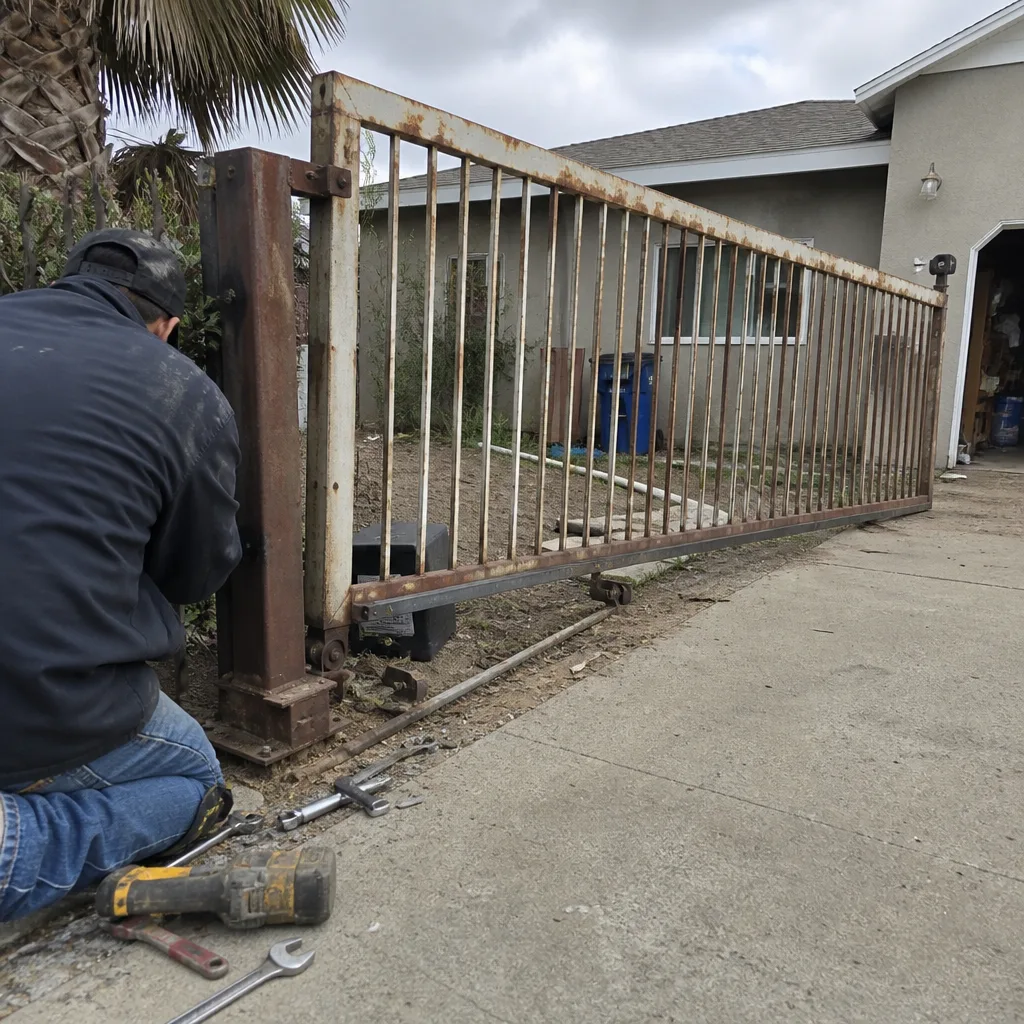 Before
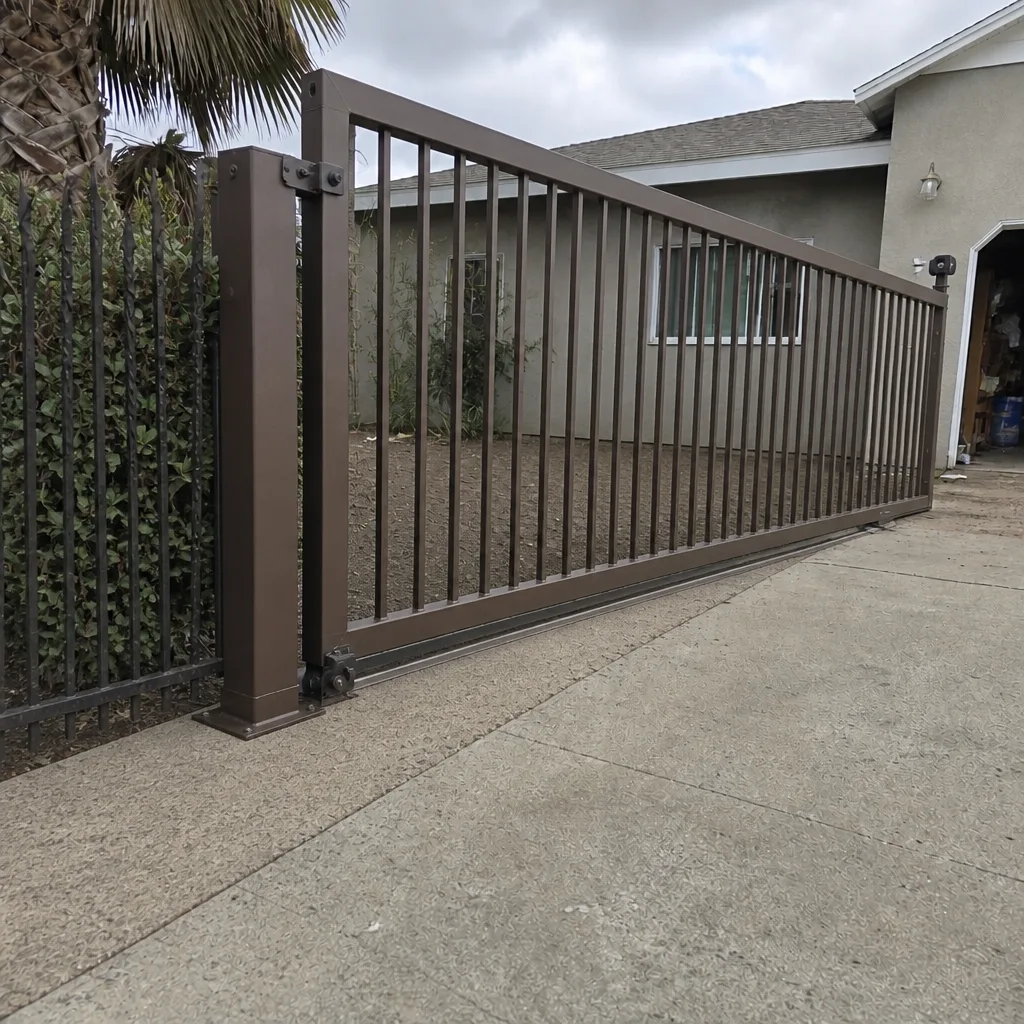 After
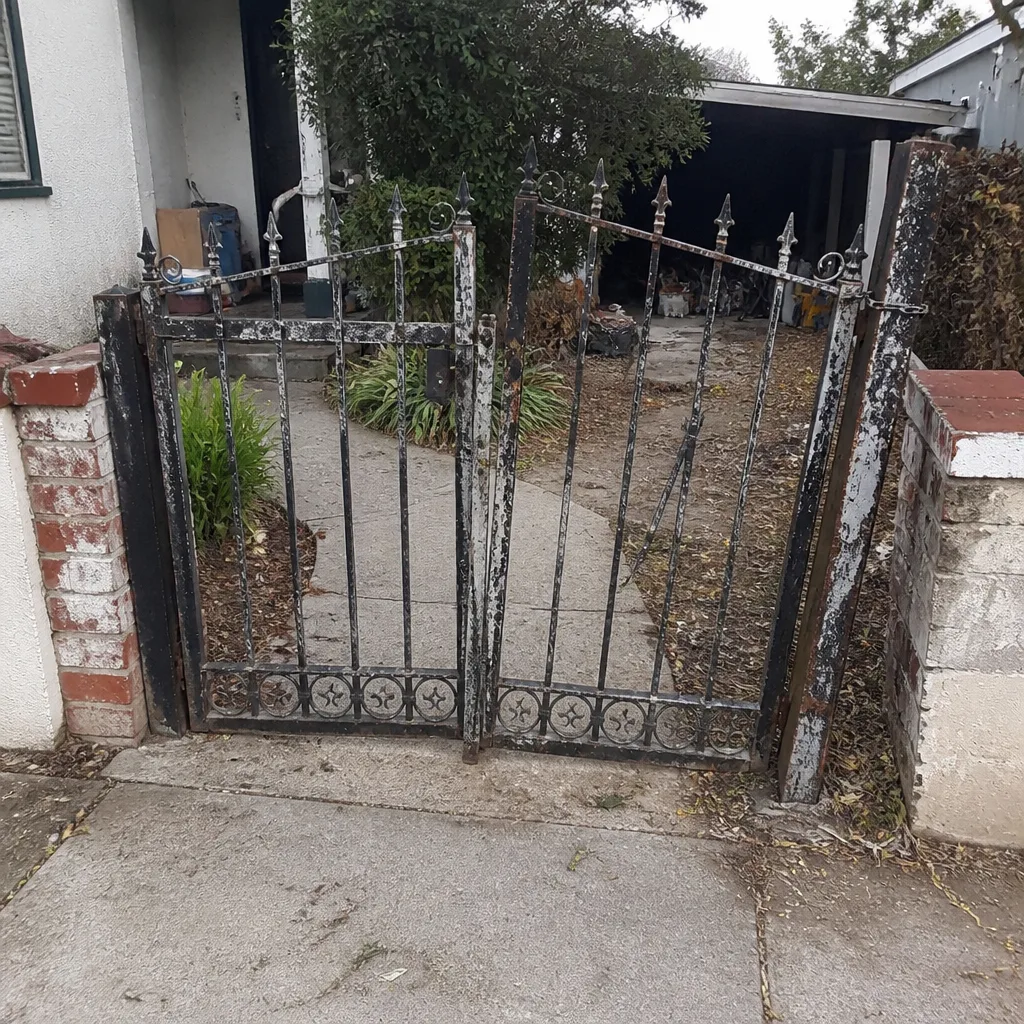 Before
 After
 Before
 After
When to Call a Professional
Call a professional whenever the gate stops, sticks, or fails to close reliably. Automated gate operators combine low-voltage control wiring, line voltage, and heavy moving parts, and the dangerous components here are the operator’s wiring and power run, heavy gate panels that can crush, and slide gates that can come off the track. If the gate won’t reverse on obstruction, if the photo-eyes or safety edges aren’t working, if the motor hums but doesn’t move, if the board shows a fault code, or if the gate has jumped or come off its track, that’s a call. Don’t prop it open with a brick and don’t reach into the mechanism to force it. For residential, HOA, and commercial gates across Salinas, we offer free estimates and a same-day service option on repair calls. Call (888) 704-3384. We answer 24/7, with fast dispatch from 7am to 7pm, Sunday through Friday.
Frequently Asked Questions
For most Salinas homes, LiftMaster is the best default for a residential swing or slide gate because its duty cycle fits a household cycle count and its parts and boards are widely available to gate technicians. If your gate is heavier or cycles more often, a commercial-class operator like DoorKing or FAAC may be the better match. The right answer depends on the gate weight, the cycle count, and the site, which is why a free estimate is worth it.
Duty cycle matters more than horsepower because it measures how long an operator can run over a given hour without overheating. Horsepower tells you what the operator can move once; duty cycle tells you how many cycles it can handle all day. In Salinas’s summer heat, a light-duty operator installed on a high-cycle gate overheats and wears out its board long before it should. Match the duty class to the real cycle count, and go one class above.
The most repairable boards are on operators from LiftMaster, FAAC, and DoorKing, which use accessible terminal blocks, replaceable relays and fuses, and readable diagnostics. Elite and BFT are also serviceable for gate-trained technicians but may need parts ordered. Entry-level operators like Mighty Mule often have sealed or proprietary boards, so a board failure usually means replacing the whole operator rather than a small repair.
You know a brand has local parts availability when gate-focused technicians near you service it and trade distributors stock its boards, motors, and accessories. Ask your installer which brands they can source a board for on short notice. Brands common in Salinas, like LiftMaster, FAAC, and DoorKing, are more likely to have local stock than an off-brand import. If the only answer is a long shipping wait, that’s the hidden cost of the brand.
Repair a failed control board when the operator is a serviceable brand and the fault is a board, relay, fuse, receiver, or photo-eye on a unit that’s matched to its cycle count. Replace the operator when the board is proprietary and unavailable, when a light-duty operator keeps failing on a commercial cycle, or when the housing is corroded through. A gate specialist can give you a straight answer on the first visit.
Every automated gate needs working safety photo-eyes across the opening and safety edges on the closing edge, so the gate reverses before it makes contact. These protect people and pets and are not optional. The wiring and power run on the operator are the dangerous parts, so a trained technician should handle any electrical work rather than a homeowner. Test the safety features monthly and call a professional if the gate doesn’t reverse on obstruction.
The Bottom Line
The best gate repair brand in Salinas isn’t the most popular name on the shelf. It’s the operator whose duty cycle matches your gate’s real cycle count, whose housing and finish hold up to the valley’s damp mornings and dusty summers, and whose control board can be diagnosed and repaired instead of replaced. LiftMaster is the sensible default for most homes, DoorKing and FAAC for commercial and HOA entries, Elite for heavy slide gates, and the rest of the brands we service each have their niche. Whatever name you pick, confirm that gate-trained technicians near you can source its parts and read its logic. Then get a proper installation, with correct footing depth, a dedicated power supply, and working safety edges, because that’s what lets any brand last. When you’re ready to sort it out, Gate Repair Salinas gives you a free estimate and a written price before any work starts.
Call (888) 704-3384 for a free estimate. We answer 24/7, with fast dispatch from 7am to 7pm, Sunday through Friday. The price is quoted and agreed before any work starts, and the written estimate sets the final price. Our technicians have up to 15 years of experience, and we work exclusively on gates and gate operators – repair and installation, one call, gate-only specialists.
Written by the team at Gate Repair Salinas.