
Last updated November 16, 2026
 Wrought iron
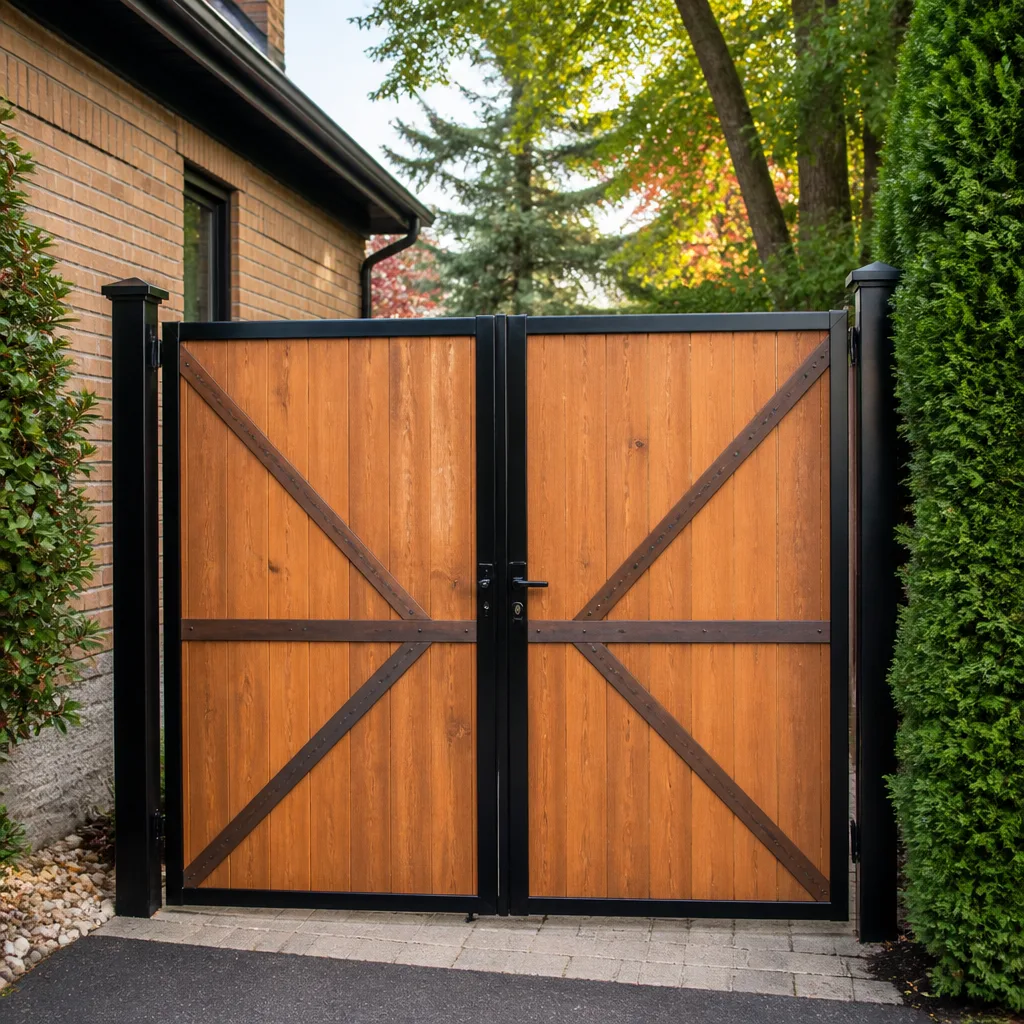 Wood & steel frame
 Farm & ranch
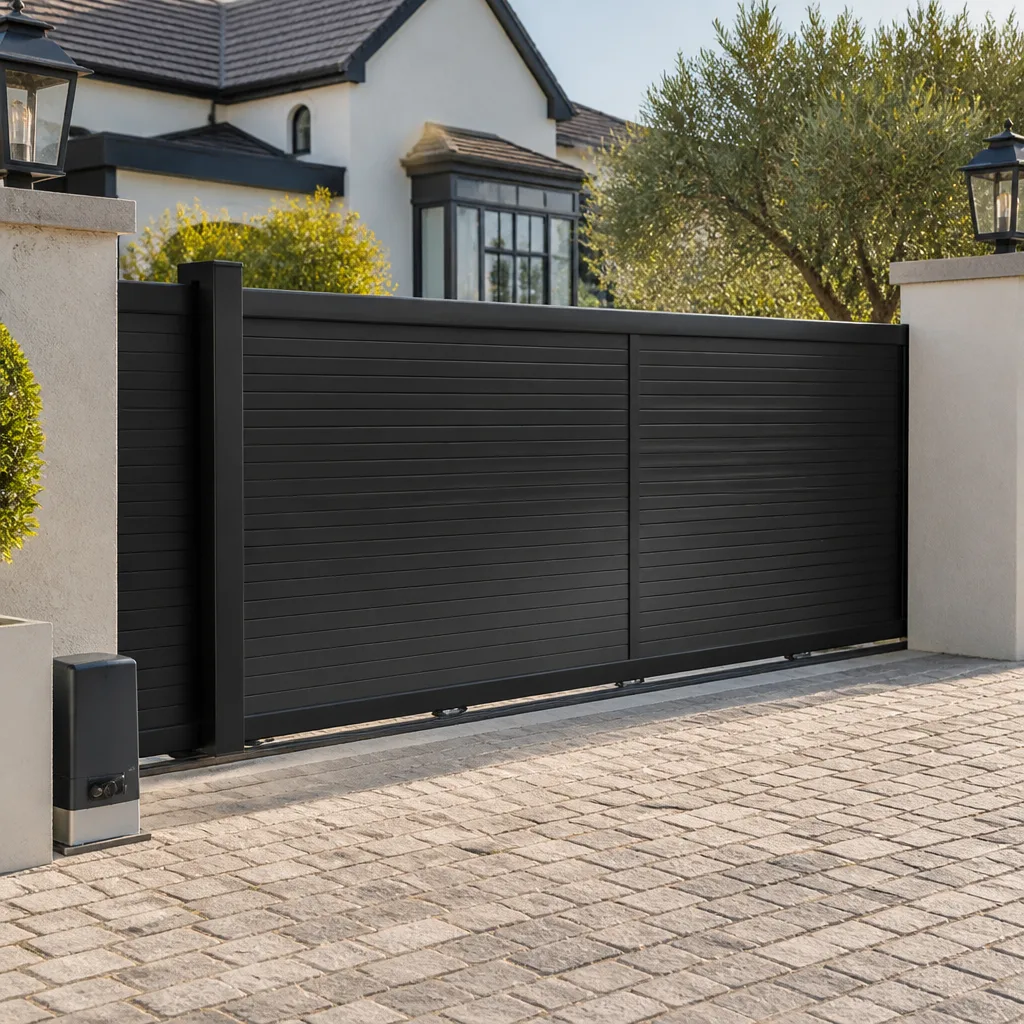 Sliding driveway gates
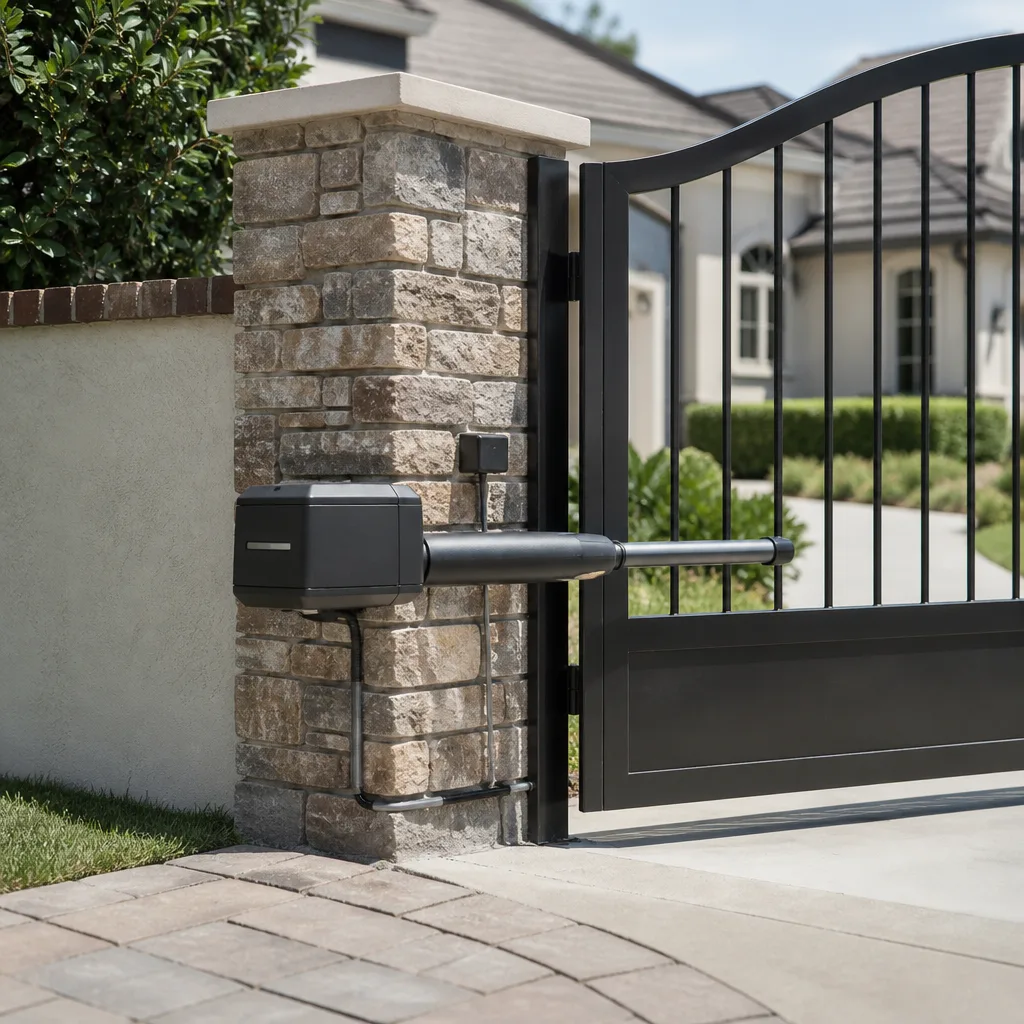 LiftMaster operators
Free on-site gate assessment - hinges, posts, and your LiftMaster or Nice gate operator checked before anything is quoted
The assessment is free and the quote is the invoice.
Get your free estimateGate Repair Emergency Preparedness Guide for Salinas Homes
Most gate failures don’t happen at a convenient moment. They happen when you’re already late, when a delivery truck is waiting, or when the power in your neighborhood drops out during a wind event. And here’s the part that surprises nearly every homeowner: the manual release on your operator is probably a lever you’ve never touched, in the dark, on a gate you’ve trusted for years. The other common assumption is that a stuck gate means a major repair bill. Often it doesn’t. What it means is that you don’t yet know your own hardware. This guide changes that. We’ll walk through the two failure modes (stuck closed and stuck open), how to find and use the manual release on the most common operators in Salinas, how to secure a gate that won’t close, how to safely power cycle an operator, and what to have ready before you call anyone.
Quick Answer
If your automated gate fails, the first step is always the same: locate the manual release on your operator and disengage the motor so the gate can be moved by hand. Then decide whether you’re dealing with a stuck-closed gate (blocking a vehicle) or a stuck-open gate (a security gap), since the interim solutions are completely different. A power cycle resolves a meaningful share of temporary faults, but if the gate fails again after a reset, it’s a hardware or control-board problem that needs a trained technician. Call (888) 704-3384 for a free estimate. We answer 24/7.
Styles & brands we work with
- Wrought iron
- Wood & steel frame
- Farm & ranch
- Sliding driveway gates
- LiftMaster operators
Table of Contents
- The Two Failure Modes and Why They Matter
- How to Find and Use the Manual Release
- Brand-Specific Release Steps: LiftMaster, FAAC, and More
- Securing a Gate That’s Stuck Open
- Power Cycling an Operator: When It Helps, When It Hides a Problem
- Battery Backup Systems and What to Expect During a Salinas Outage
- What to Have Ready When You Call for Emergency Gate Repair
- Preventive Checks That Actually Prevent Emergencies
The Two Failure Modes and Why They Matter
Every automated gate failure lands in one of two buckets, and treating them the same is the most common mistake we see. A gate that fails closed is a mobility problem. Your car is on the wrong side of the gate, and if you’re in a hurry, that can turn into a real disruption fast. A gate that fails open is a security problem. The motor has given up, the gate sits at the end of its travel, and anyone can walk or drive through.
In Salinas, we see both modes show up for the same underlying reasons. Summer heat and dust can wear on control-board connections and sensor alignment. Power fluctuations during the region’s wind events can leave an operator in a fault state that looks like a dead motor but isn’t. And older operators that have never had a battery replaced will simply stop mid-travel when the backup runs dry.
What matters for you right now is knowing which mode your gate is in and having a plan for each. A stuck-closed gate needs the manual release and a plan for getting vehicles through. A stuck-open gate needs a temporary physical barrier and a locking solution, plus the earliest possible service call.
Questions to ask yourself in the first minute
- Is the gate blocking a vehicle that has to move right now?
- Is the gate sitting open with the property exposed?
- Do the operator’s lights come on when you press the remote?
- Does the gate move at all when you disengage the release?
- Have you had any recent power interruptions or flickering?
Those five answers frame the entire repair conversation. If your gate is stuck and you’re not sure why, electric gate repair covers the diagnostic side, and we can walk through it with you on the phone.
How to Find and Use the Manual Release
The manual release is the single most important piece of hardware on your gate and the one most homeowners have never located. Every automated operator has one. Without exception. It’s the mechanism that disconnects the motor from the gate so the gate can be pushed or slid by hand.
Manual releases fall into two families. On slide gates, you’re usually looking for a lever, a key, or a pull chain near the operator housing. Some are released with a key that inserts into the side of the operator; others have a physical lever you flip. On swing gates, the release is often on the arm or the operator housing, and some swing operators require you to remove a pin or lift a lever on the arm itself.
Where it lives depends heavily on the operator brand and how the original installer set up your gate. On a LiftMaster residential swing operator, the release is typically on the arm or a lever under the housing. On FAAC operators, the release is often a key-operated lock on the housing itself. On an Apollo setup, look for a release lever on the operator or a key release on the housing. Your operator manual (or the operator’s label, which almost always lists the model) will tell you exactly what to look for.
Steps to release and move a stuck gate
- Kill the power to the operator at the breaker if you’re not certain of its state. This prevents the motor from fighting you mid-move.
- Locate the manual release. Check the operator housing, the arm, and the side of the unit. Look for a key slot, lever, or pull chain.
- Engage the release using the method specific to your operator (key turn, lever flip, or pin removal, depending on the model).
- Push or slide the gate by hand to the position you need it. If it moves easily, the motor is fully disengaged. If it resists, don’t force it; something else is wrong.
- Note the position of the release lever or key. You’ll want to re-engage it cleanly once the repair is complete, and the lever only goes back in one way on most operators.
If you cannot find the release, or the gate won’t move even after you’ve found it, stop there. Forcing a gate that won’t release can damage the gearbox or bend the track on a slide gate. That’s the point to call in a technician.
Brand-Specific Release Steps: LiftMaster, FAAC, and More
Gate operators are not interchangeable behind the housing. Each brand has its own release mechanism, its own logic board layout, and its own error-code behavior. That’s why a gate-only specialist matters: we work on your brand, not a guess at what your brand probably does.
The operators we handle day in and day out include LiftMaster, FAAC, BFT, Linear, Viking, Ghost Controls, DoorKing, Elite, and Mighty Mule. Here’s how the release process typically runs on three of the most common residential operators in Salinas:
LiftMaster
Most LiftMaster residential swing operators release via a lever or key on the operator arm or the housing. The gate will swing freely once the arm is disengaged. On LiftMaster slide operators, the release is often a lever near the motor, sometimes accessed with a key. LiftMaster’s diagnostic LEDs on the control board are worth noting when the gate won’t run; the flash pattern often points to a specific fault.
FAAC
FAAC operators on residential swing gates usually release with a key inserted into a lock on the operator housing. Turn the key and the gate can be pushed by hand. FAAC slide operators also use a key-operated release, and the position of the key slot on the housing gives you a clue which model you’re dealing with.
Mighty Mule
Mighty Mule residential swing operators frequently use a manual release pin or a lever on the arm, similar to LiftMaster. These are DIY-friendly operators by design, and the release is usually intuitive once you see it. Look for the manufacturer’s label under the housing to confirm the model.
Once you’ve found the release on your operator, write down the brand and model and tape a short note inside your gate control box or garage. The next time it fails (and gates eventually do), you won’t be searching in the dark. For the full diagnostic side of the repair, gate repair is where we cover the common faults and their causes.
Securing a Gate That’s Stuck Open
A gate stuck open is the more frustrating failure for many homeowners because it leaves the property exposed with no obvious fix. The good news is that several interim options work well while you wait for a service call, and none of them require special tools.
Temporary security options for a stuck-open gate
- Chain and padlock the gate panels to each other. On a double swing gate, chain the two leaves together at the center and lock with a padlock. This is fast and doesn’t require the operator to function.
- Chain the gate to a fixed post. On a single swing or slide gate, a chain around the gate frame and a nearby post (or a concrete anchor if you have one) holds it in a closed position.
- Use a manual slide-gate lock. Many slide gates have a lockable catch or a floor anchor. If you have one, engage it. Even a simple padlock through the track at the closed position can help.
- Park a vehicle in the gate opening if it’s safe to do so. A vehicle parked across the opening is a physical barrier that doesn’t require any hardware.
- Engage the manual release, then manually close the gate and chain it. If the motor is disengaged, you can push the gate closed and secure it without touching the operator again.
What you should not do is leave the gate open and assume it’ll close itself on the next cycle. If the operator faulted once, it will fault again, and the gate could close on a vehicle or a person if it does. Other security measures at the property (interior lighting, security cameras, alarm systems) are worth confirming are active while the gate is out of service.
For a residential property in Salinas where the gate doubles as the property line security, a stuck-open gate is often the moment homeowners realize they need a manual backup. We’ve seen gate setups where a simple padlock loop welded to the gate frame saved real headaches during operator outages, and it’s a cheap addition to any gate install.
Power Cycling an Operator: When It Helps, When It Hides a Problem
A power cycle resolves a surprising number of gate faults, particularly ones that appear without warning after a power flicker or storm. The control board is a small computer, and like any computer, it can end up in a state it can’t recover from until it’s restarted. A power cycle is a legitimate first step, not a hack.
How to safely power cycle an operator
- Locate the breaker or disconnect switch that feeds the operator. This is typically in a control box near the gate or on a nearby wall.
- Turn the power off and wait a full 30 seconds. Short resets don’t always clear the board’s memory.
- Turn the power back on and watch the operator’s indicator lights. Most boards have a startup sequence or a status LED you should see cycle.
- Test the gate with the remote or the keypad. If the gate runs a full cycle cleanly, the fault was likely transient.
- Repeat once if it didn’t take. If a second reset fails, stop power cycling and call for service.
When a power cycle masks a problem
Here’s where the process gets tricky. A power cycle clears the fault code; it doesn’t clear the cause. If your gate fails, you reset it, and it works for a week and fails again, the reset is masking a hardware problem. Common culprits include a failing battery in the backup system, a sensor that’s slipping out of alignment, a control board with a failing relay, or a motor drawing more current than it should. Each one needs diagnosis, not another reset.
If you’ve reset the operator three times in the last month and the gate keeps failing, that’s the signal to schedule a repair. On a Slide gate, that could be a slipping track or a failing limit switch. On a swing gate, it could be a damaged arm or a control board issue. Either way, the reset isn’t the fix.
If you’re in Salinas and the gate fails again after a reset, Salinas gate service can get a technician out to diagnose it. We answer 24/7.
Battery Backup Systems and What to Expect During a Salinas Outage
During a Salinas power outage, battery backup is the difference between a gate that keeps working and one that fails open (or closed) for hours. Most modern operators support an optional battery backup module, but not every install has one. If yours doesn’t, that’s the upgrade we’d recommend before anything else on this list.
Which operators support battery backup
- LiftMaster offers battery backup accessories for both residential and commercial operators. Most residential models accept a plug-in backup battery or a dedicated backup module.
- FAAC operators typically support a battery backup option, often a separate enclosure wired to the control board.
- Elite operators support backup battery options through the control board’s battery input.
- Mighty Mule residential operators commonly support backup batteries as an option, especially on solar-friendly models.
- Other brands we service (BFT, Linear, Viking, Ghost Controls, DoorKing) have their own backup options; the availability depends on the specific model.
What battery backup costs and what it actually delivers
Battery backup systems for residential gate operators are typically priced per job after we look at the operator and the wiring, since the cost depends on the battery type, the enclosure, and whether the board has a charging circuit. We won’t quote a number without seeing the setup. What we can tell you is the real-world performance: a backup battery on a residential operator usually delivers a handful of full open-close cycles during an outage, not unlimited operation. The exact number depends on the gate’s weight, the operator’s current draw, and the battery’s condition. If your battery is more than a few years old, it may need replacement before it delivers the cycles you’re counting on.
Battery backup is a one-time install priced per job by written estimate. We recommend it before the next outage, not after.
What to Have Ready When You Call for Emergency Gate Repair
When we pick up the phone, four pieces of information change the conversation from “we’ll need to come out and look” to “we know what we’re bringing.” Have these ready and the call goes faster, the diagnosis is more accurate, and the repair is more likely to finish in one visit.
What to have on hand
- Operator brand and model. The label is almost always inside the operator housing or on the arm. If you can’t find it, tell us what you can see (color, shape, any branding).
- The symptom, in plain words. “Gate won’t open,” “gate opens but won’t close,” “gate reverses halfway,” “remote does nothing,” “motor hums but nothing moves.” These point to different failures.
- The last normal operation. When did it last work correctly? What happened in between? Power outage, storm, someone backed into the gate, a recent install?
- What you’ve tried. Power cycle, manual release, remote battery swap, keypad code. It saves us a step to know.
- Access details. How we get to the gate, whether the property is residential or commercial, and any access control or intercom system attached to the same operator.
Salinas power outages and wind events are the two contexts where battery state, sensor alignment, and control-board faults show up together. Mentioning a recent outage on the call helps us prepare.
If you’ve got the four points above, call (888) 704-3384. We answer 24/7. Fast dispatch from 7am to 7pm, Sunday through Friday. If your gate fails on a Saturday, a call is booked into the next opening.
Preventive Checks That Actually Prevent Emergencies
Most emergency gate repairs we get called for start as small issues that went unnoticed. A sensor that drifted half an inch. A battery that quietly lost capacity. A hinge bushing that developed play. None of them cost much to fix early. All of them get expensive after a failure. Here’s a short list of checks that take real minutes and give you real warning.
- Test your manual release every season. Find it, use it, put it back. The moment you need it isn’t the time to learn how it works.
- Check the sensor alignment. Walk through the gate’s safety beam path. If the gate stops behaving as it should when you interrupt the beam, the sensors are misaligned or failing.
- Look at the battery voltage on your backup module if the operator displays it. A battery below its rated voltage won’t carry you through an outage.
- Listen for new noises. Grinding, clicking, humming. Grinding usually means a gear or rail problem. Humming usually means a stuck motor or a bad capacitor.
- Clear the gate track and swing path. Debris, dirt, and plant growth in a slide gate’s track wear the motor faster than anything else.
- Inspect hinges and rollers for play on swing gates. Loose hinges stress the operator arm and shorten its life.
One of the underappreciated checks is confirming the operator’s last known good behavior: open fully, close fully, pause at the right points, and reverse on obstruction. If any of those steps changes, write it down and mention it on your next service call. That note is often the difference between a cheap fix and a full motor replacement.
For a full repair that goes beyond checks, gate installation can be its own conversation if the operator is at end of life. One call covers repair and installation.
Common Mistakes to Avoid
- Forcing a gate that won’t release. If the release lever is engaged and the gate still won’t move, don’t push harder. You’ll bend the operator arm or strip the gearbox, and that turns a simple repair into a full operator replacement.
- Resetting the operator and assuming that fixed it. A power cycle clears the fault code, not the cause. If your gate has failed three times in a month, the reset isn’t working; it’s masking. Salinas weather cycles (heat, wind, dust) tend to expose the same fault again within weeks.
- Leaving a stuck-open gate without a physical barrier. A gate that won’t close is a security gap, not just an access issue. Chain and padlock it before you do anything else.
- Ignoring battery age on the backup system. Backup batteries lose capacity every year. A battery that’s five years old may only deliver a single cycle during a Salinas outage, not the handful you’re expecting.
- Calling a repair service without the operator model. Brand and model change the diagnosis and the part. Write it on a label or in a note before you need it.
- Using a general handyman for an electric gate repair. Gate operators involve live low-voltage wiring, motor control boards, and safety sensors. A gate-only specialist understands the specific logic of your brand; a generalist may not.
- Skipping a pre-winter check. Salinas winters are mild, but the first storms of the season are when we take the most gate calls. Dust, debris, and worn sensors show up together after long dry stretches.
See the difference
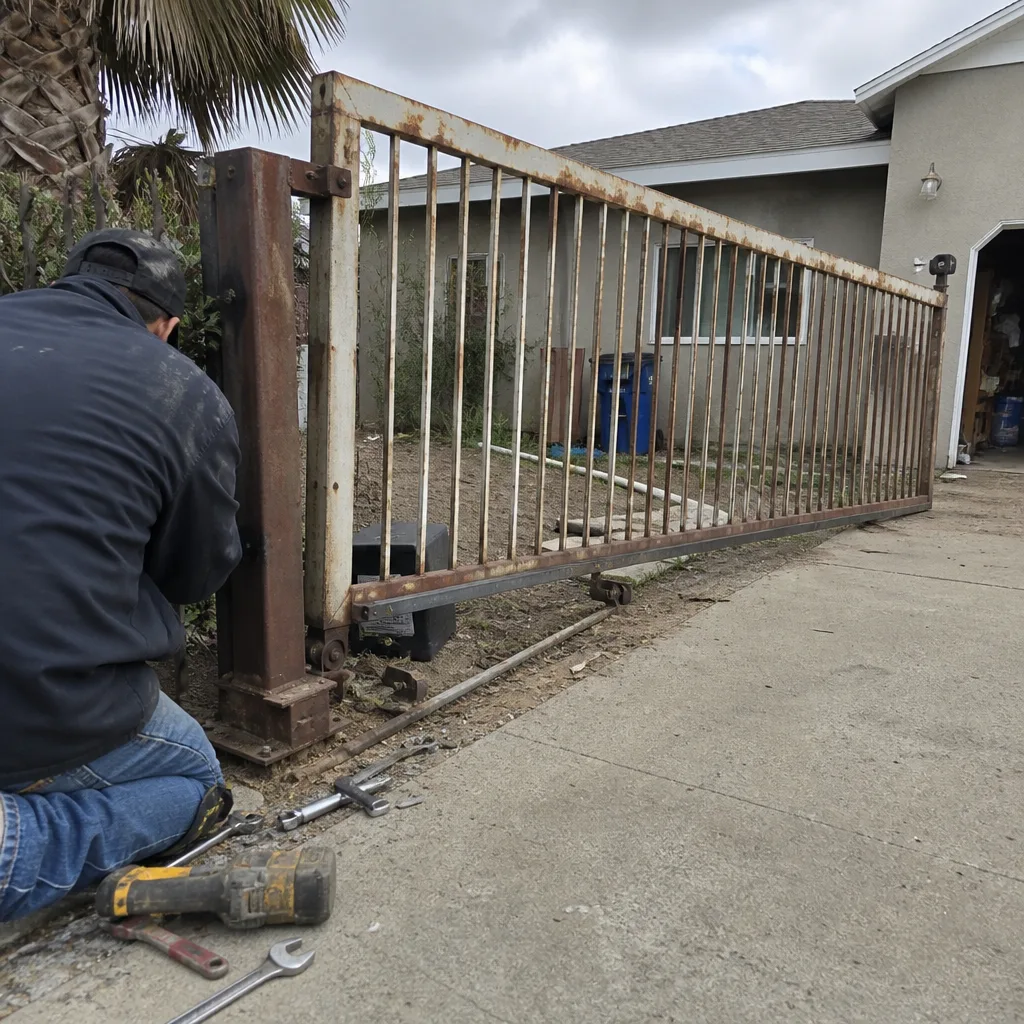 Before
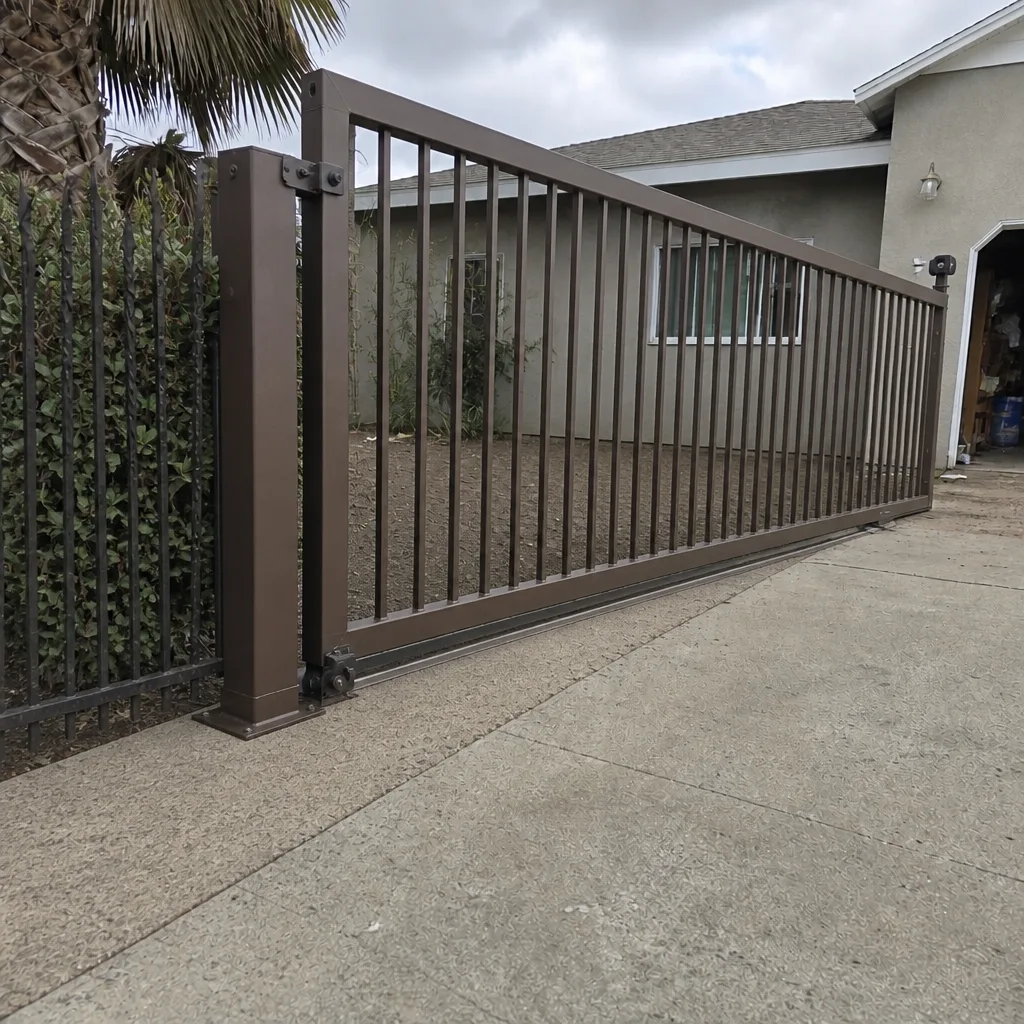 After
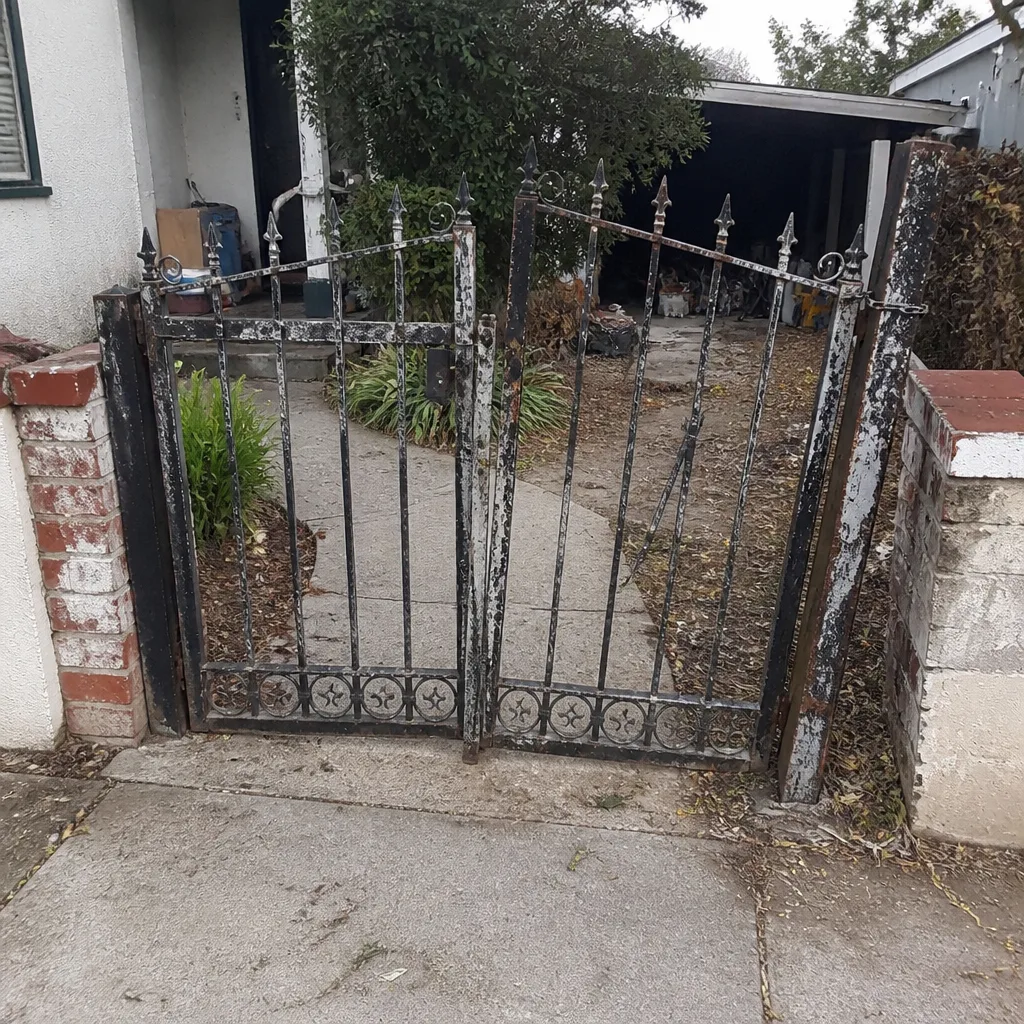 Before
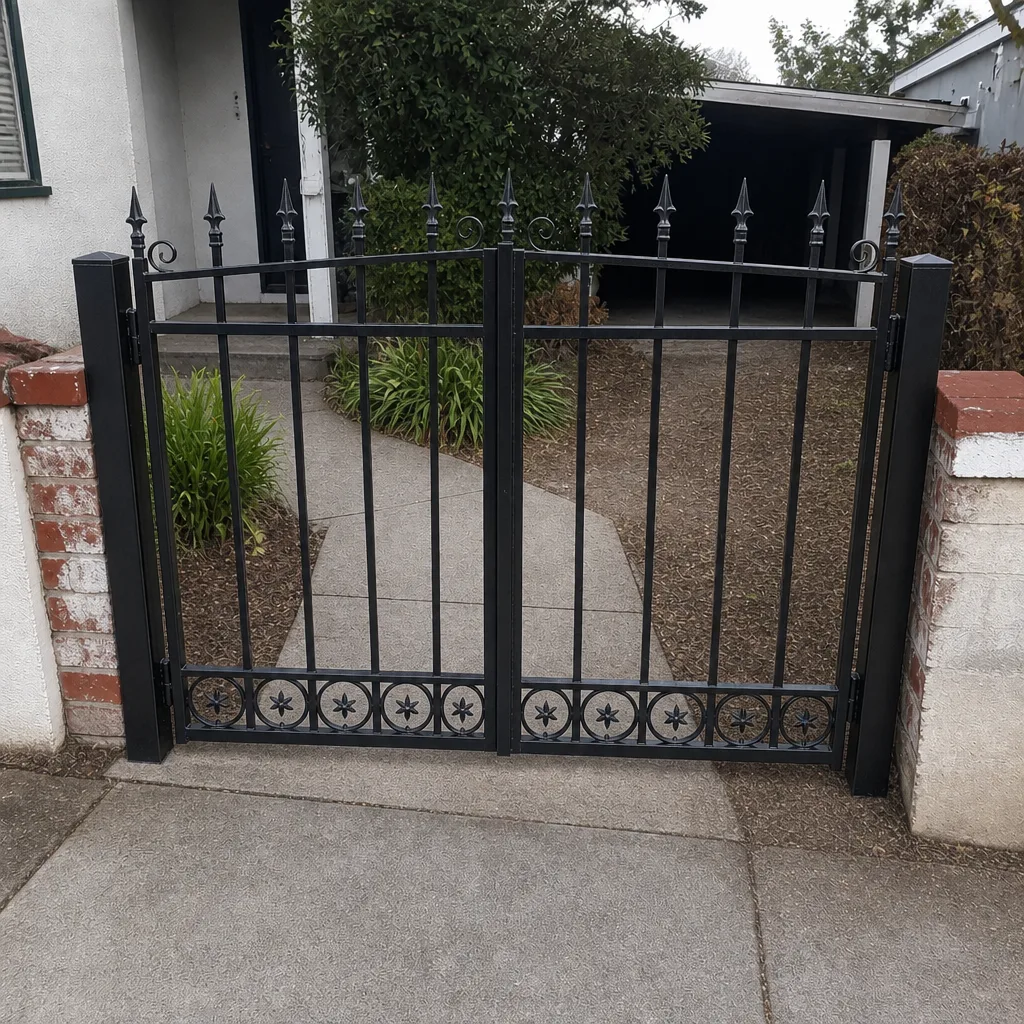 After
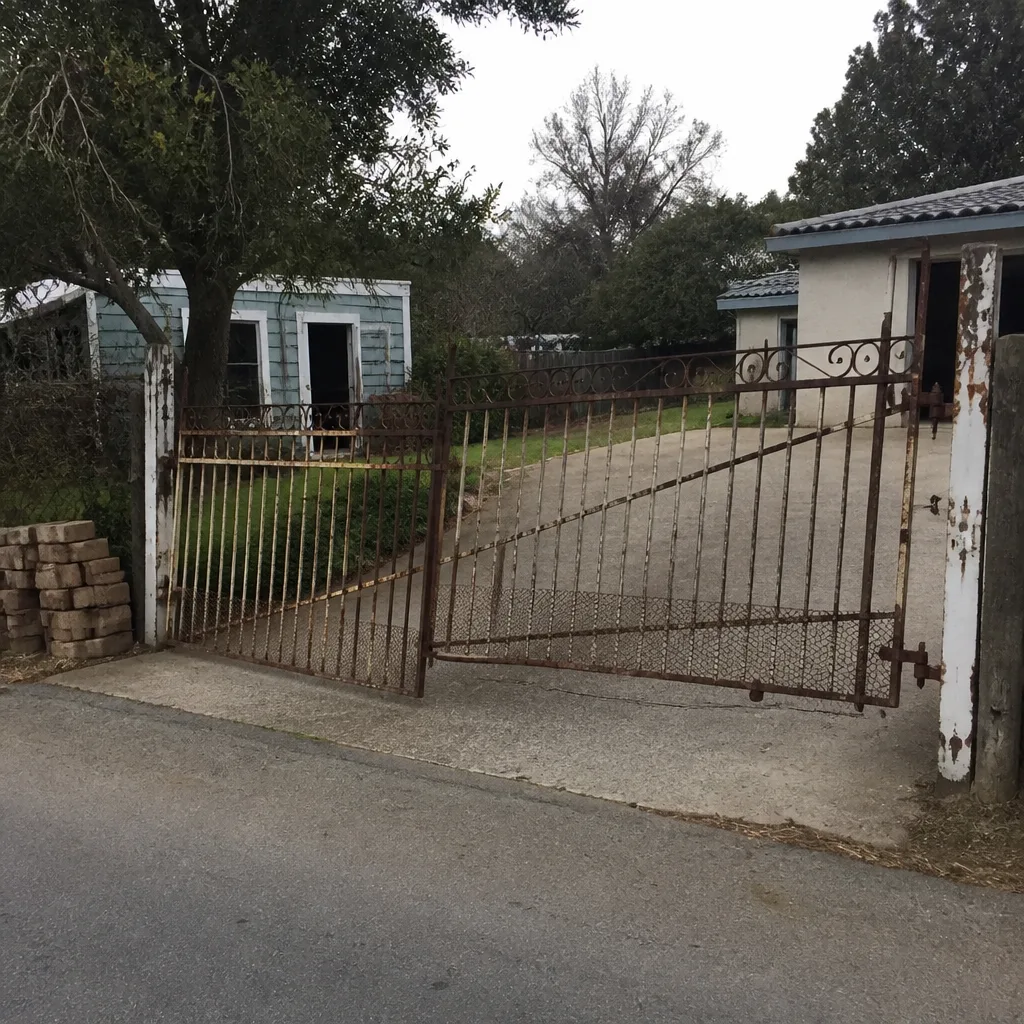 Before
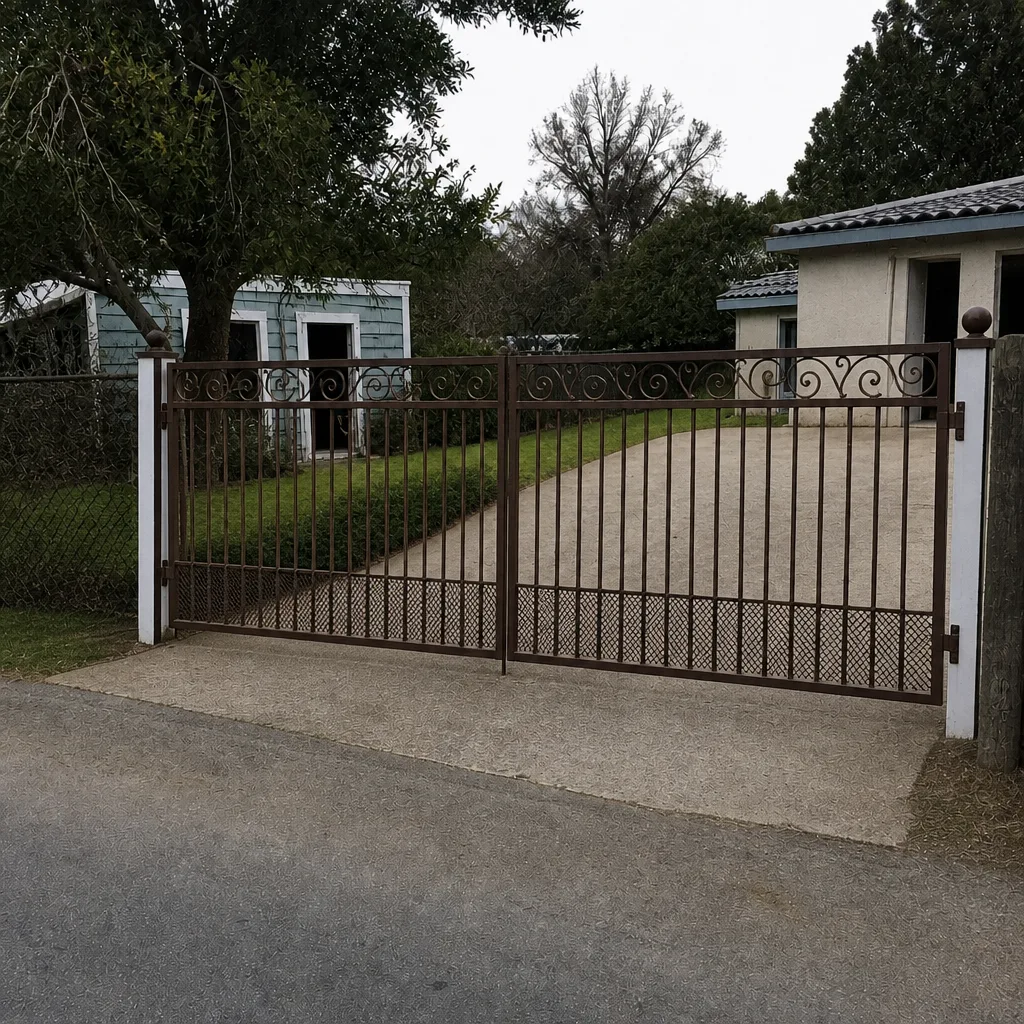 After
When to Call a Professional
Not every gate problem needs a technician’s visit, but several do. Call us if your gate has failed more than twice in a month, if the manual release won’t disengage or the gate won’t move even after release, if the motor hums without moving, if the gate reverses unpredictably on a clear path, or if any part of the operator’s wiring looks damaged. Also call if you have any doubt about which brand or model of operator you’re dealing with; a gate-only specialist can identify it on sight. Gate Repair Salinas offers free estimates in Salinas. Call (888) 704-3384. We answer 24/7, with fast dispatch from 7am to 7pm, Sunday through Friday.
Frequently Asked Questions
Locate the operator’s label first; it almost always names the brand and model, and that tells you which release type you have. On LiftMaster swing operators, look on the arm or a lever under the housing. On FAAC residential operators, look for a key slot on the housing. If you still can’t find it, call (888) 704-3384 and we can walk you through the likely location. We answer 24/7.
Yes, but secure it first with a chain and padlock across the gate panels or to a fixed post. A gate left open without a physical barrier is a security gap, and the operator won’t close it on its own after a fault. Call (888) 704-3384 to schedule a repair. Fast dispatch from 7am to 7pm, Sunday through Friday.
Repairs are priced per job and quoted from the written estimate, so there’s no single number we can put on a page. The final price is set by the estimate before any work starts, and estimates are free. Call (888) 704-3384 to book a visit.
Most modern residential operators do support battery backup, including LiftMaster, FAAC, Elite, and Mighty Mule models. Installation is priced per job by written estimate, since the cost depends on your operator and the battery option it takes. Call (888) 704-3384 for a free estimate on the install.
It’s common on operators without a healthy backup battery or with a control board that doesn’t handle power fluctuations cleanly. A battery backup and a board check usually resolve it. Call (888) 704-3384 and mention the outage pattern; it helps us diagnose before we come out.
We work on LiftMaster, FAAC, BFT, Linear, Viking, Ghost Controls, DoorKing, Elite, and Mighty Mule. If your brand isn’t on that list, call and we’ll tell you straight away. Our technicians have up to 15 years of experience with these systems. Call (888) 704-3384.
The Bottom Line
The difference between a gate failure that frustrates you for an hour and one that disrupts your home for days is preparation, not repair speed. In Salinas, the realities of heat, dust, wind events, and occasional power interruptions mean your operator will eventually fault. Knowing where the manual release is, understanding the difference between stuck-closed and stuck-open, and having the operator brand and model at your fingertips turns a crisis into a five-minute interruption. Battery backup is the single most valuable preventive upgrade for an automated gate. Air filters, sensor alignment, and hinge inspection round it out. If your gate fails and you can’t resolve it with a reset and a release, call (888) 704-3384 for a free estimate. We answer 24/7, with fast dispatch from 7am to 7pm, Sunday through Friday. Gate Repair Salinas connects you with a gate-only specialist who knows your brand. Visit Gate Repair Salinas for the full service overview.
Written by the team at Gate Repair Salinas.