
Last updated November 16, 2026
 Wrought iron
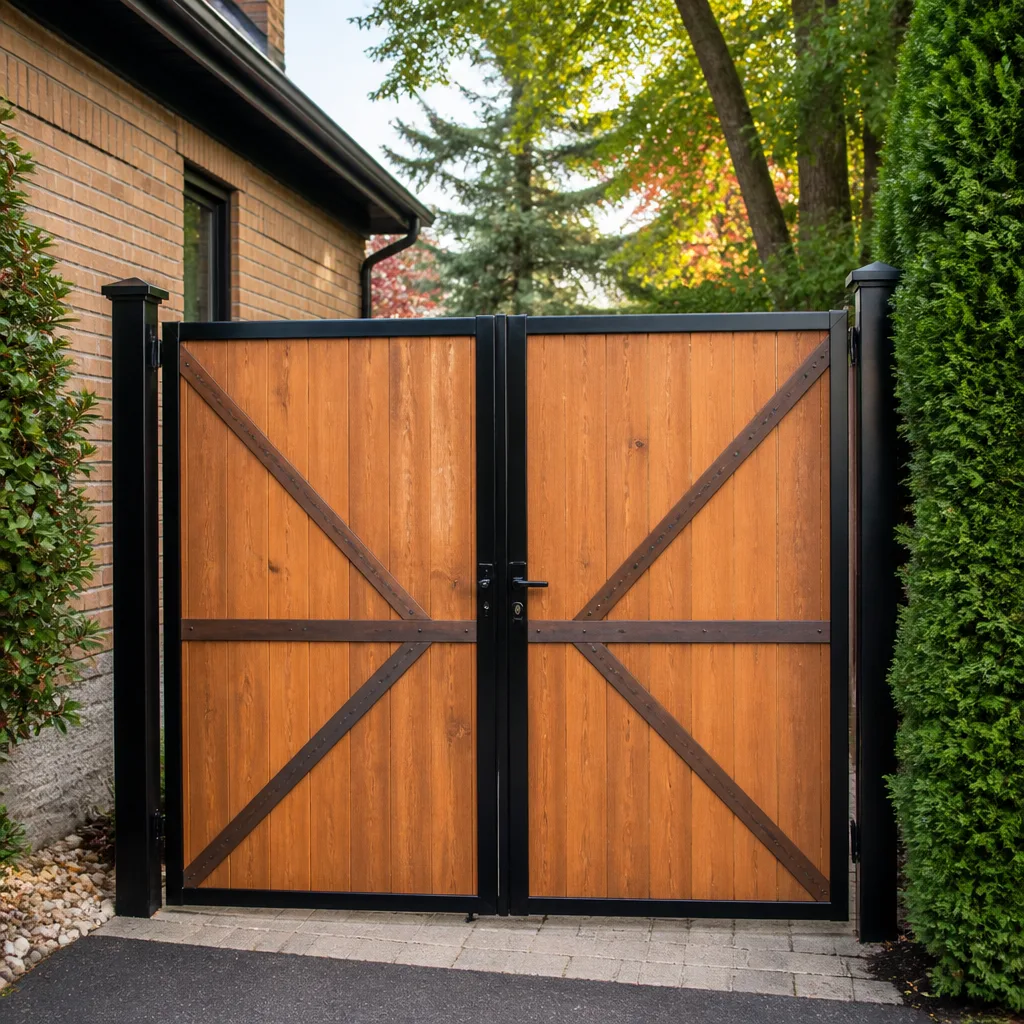 Wood & steel frame
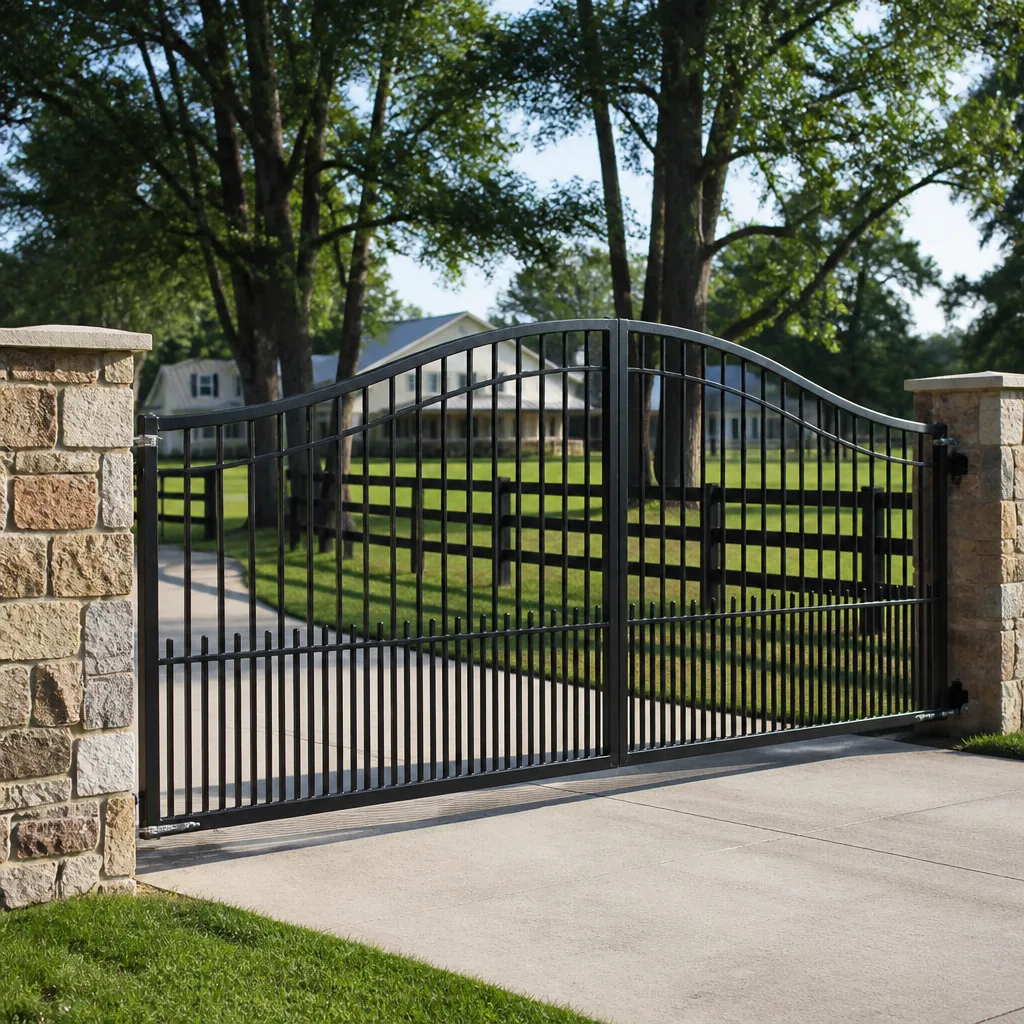 Farm & ranch
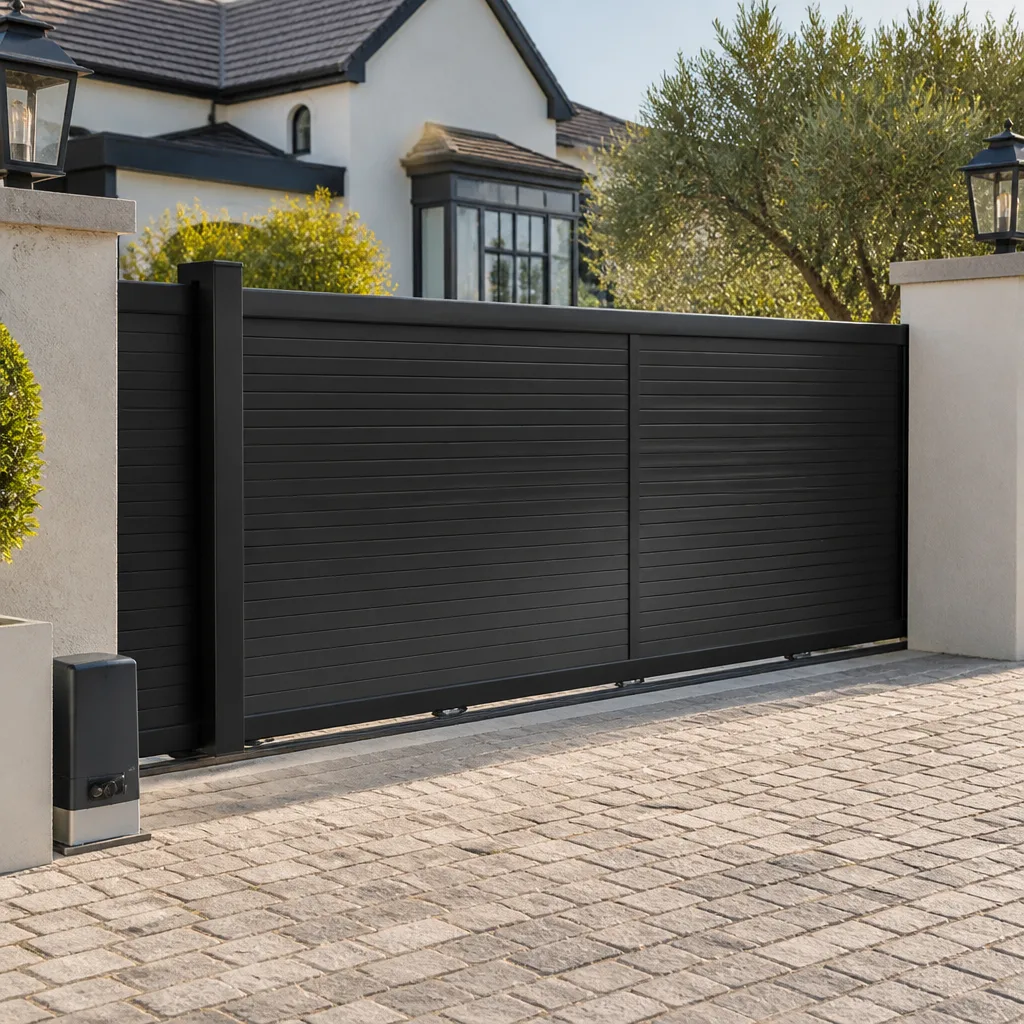 Sliding driveway gates
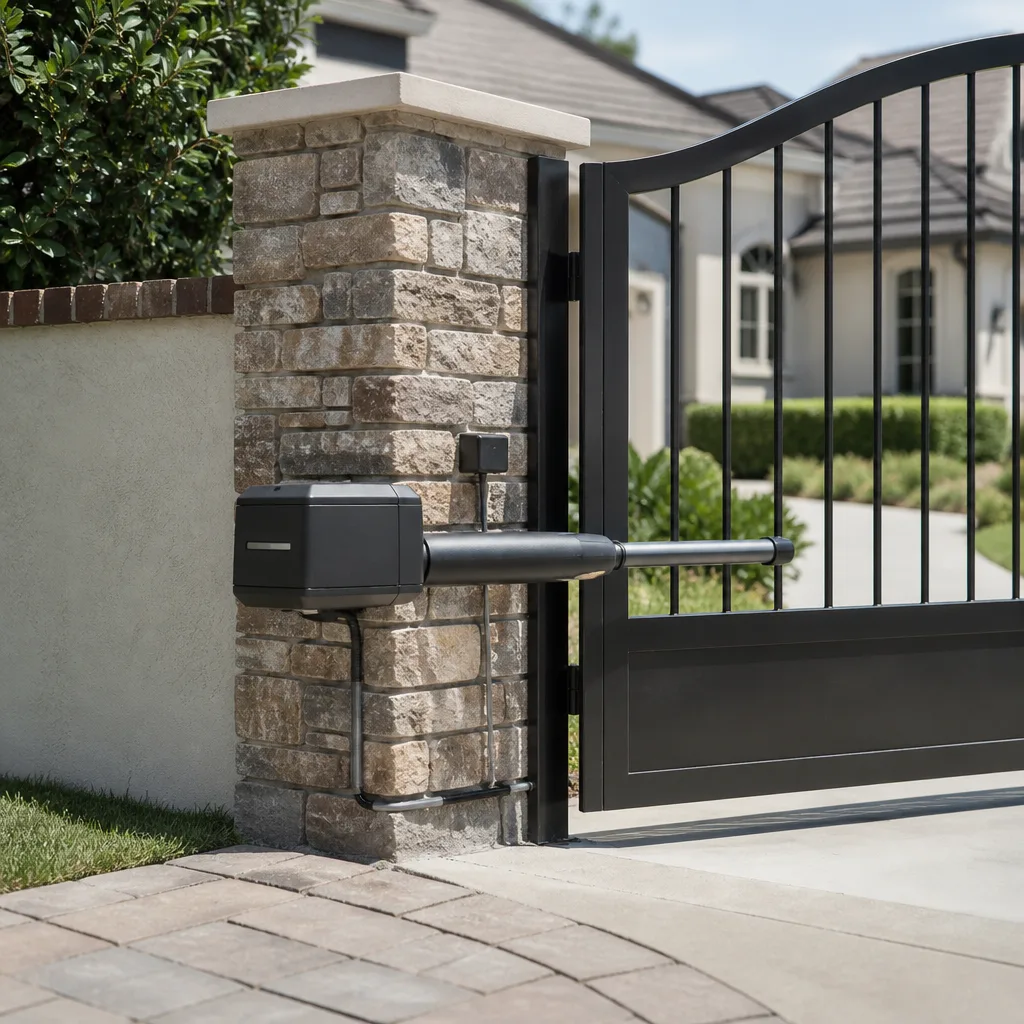 LiftMaster operators
Free on-site gate assessment - hinges, posts, and your LiftMaster or Nice gate operator checked before anything is quoted
The assessment is free and the quote is the invoice.
Get your free estimateGate Repair Maintenance Schedule: What to Do and When
Over-lubricating a chain drive every month is one of the most common reasons automated gates need an early operator replacement. Grease attracts grit, grit becomes an abrasive paste, and that paste grinds the chain and sprockets down long before their rated lifespan is up. The same logic applies to the wrong oil on a slide track or a forgotten battery that only gets checked by its indicator light. What follows is a working maintenance calendar built around the actual wear cycles of swing, slide, and barrier arm gates in Salinas conditions, month by month, component by component, so you service the right part at the right interval instead of guessing.
Quick Answer
A gate maintenance schedule for Salinas runs on a seasonal calendar, not a single annual visit: a full hardware inspection after the winter rainy season in March, lubrication of chains and tracks in spring and fall with the correct lubricant per component, battery backup load testing twice a year, and a safety-device check every quarter. Intervals shift by gate type. Slide gates wear rollers and tracks fastest, swing gates stress hinges and operators, and barrier arms need counterweight and spring checks more often than either.
Styles & brands we work with
- Wrought iron
- Wood & steel frame
- Farm & ranch
- Sliding driveway gates
- LiftMaster operators
Table of Contents
- Why a Schedule Beats a Repair Call
- The Month-by-Month Gate Maintenance Calendar
- The Post-Rainy-Season Inspection: March in Salinas
- Correct Lubrication by Component
- Testing Your Battery Backup Under Load
- Component Lifespan Benchmarks for Salinas Conditions
- Schedules by Gate Type: Slide, Swing, and Barrier Arm
- When to Call a Professional
Why a Schedule Beats a Repair Call
A gate that fails is almost always a gate that was serviced at the wrong interval, or serviced in the wrong way. A chain drive that gets greased every month wears faster than one that gets cleaned and dry-lubricated twice a year, because the excess grease holds onto dust and becomes an abrasive paste. A swing gate whose hinges are tightened every time they feel loose eventually has stripped bolts and can’t be adjusted at all. Maintenance isn’t a checklist you run through; it’s a schedule matched to each component’s actual wear cycle.
In Salinas, the seasonal rhythm matters as much as the components. Winters here are mild, which means most gate hardware doesn’t see freezing temperatures or heavy snow load. What it does see is rain followed by dry months, and that cycle is what drives most wear: water gets into rollers, hinge pins, and underground operator housings during the wet season, then sits there as the weather dries out. Bolts loosen from soil movement under swing gate posts. The paint on top rails and posts weathers and starts to pit.
We work on automated gate systems every week and the pattern is consistent: gates that get a proper maintenance schedule last years longer between major repairs than gates that get called in only when something breaks. The difference isn’t the work performed, it’s the timing. A chain that gets cleaned and re-lubricated at the right interval might last six or seven years. The same chain, over-lubricated monthly, can wear out in half that time.
For the homeowner, HOA manager, or commercial property owner, the goal of a schedule is simple: fewer surprises, longer intervals between operator replacements, and a clear budget line for maintainable parts. The detail is where the value lives, and that’s what the rest of this guide covers.
The Month-by-Month Gate Maintenance Calendar
This is the operating calendar we recommend for most automated gates in Salinas. Some components need adjustment depending on whether the gate is a slide gate, swing gate, or barrier arm, and those differences are covered further down. What follows is the base rhythm most gates should follow.
The full calendar
- January: Visual walk-around. Check the gate for damage from wind or debris, confirm the photo-eye lenses are clean, confirm both open and close limits land where they should. Note anything that looks off for the March inspection.
- February: Safety-device test. Trigger the photo-eye by breaking the beam and confirm the gate reverses. Trigger the edge sensor (if equipped) and confirm the same. Confirm the reversing logic works on the operator.
- March: Full post-rainy-season inspection. This is the most important service event of the year and gets its own section below. Focus on rusty rollers, soil shift under posts, water in underground operator housings, and motor-terminal moisture.
- April: Spring lubrication. Clean and lubricate the chain, sprockets, slide track, and hinge pins using the correct lubricant per component (see the lubrication section). Do not lubricate photo-eye lenses, control boards, or limit switches.
- May: Battery backup load test (first of two). This is the load test, not the indicator-light check. If the battery is weak, replace before summer heat cycles push the operator harder.
- June: Hardware fastener check. Walk the entire gate and tighten any loose bolts on hinges, brackets, roller mounts, and the operator chassis. Replace any fastener that is stripped or has lost its bite.
- July: Safety-device test (second of the year) and gate travel check. Confirm the gate travels smoothly across its full arc or track, that limits are correct, and that no hesitation or bounce appears near the ends of travel.
- August: Access-control check. Test the keypad, the intercom, the remote receivers, and the vehicle loop detector if equipped. Confirm each device opens the gate reliably and that the loop doesn’t false-trigger from nearby metal or parked vehicles.
- September: Fall lubrication (second clean-and-lube of the year) and paint touch-up. Inspect for rust at weld points and on lower rails, and touch up any pitted areas before the wet season returns.
- October: Battery backup load test (second of the year) and operator cabinet inspection. Confirm the cabinet is sealed, that no water can enter, and that any internal fan or vent is clear.
- November: Pre-wet-season hardware check. Confirm gate posts are plumb, swing-gate hinges are tight, slide-gate tracks are clear of debris, and drain paths around the operator area are open.
- December: Year-end review. Note anything that should be proactively replaced in the coming year: rollers, loop detectors, hinge pins, and any sensor or safety edge that has been unreliable.
If you are only going to do four things per year, do the March post-rain inspection, the spring and fall lubrication, and both battery load tests. Everything else is a supporting check.
The Post-Rainy-Season Inspection: March in Salinas
If you schedule one service event per year, make it the March inspection. Salinas winters are mild, but they are wet, and the rain that falls from December through February does its damage quietly: water enters low-lying components and sits there, rollers rust from the inside out, soil under gate posts shifts as it dries, and underground operator housings slowly fill with trapped moisture. March is when all of that is visible, before it turns into a failure in the dry months.
Here’s what the inspection covers and why each item matters:
- Rollers and track (slide gates): Rust on rollers is the most common failure point for slide gates in Salinas. Check each roller for pitting, flat spots, or the roughness that means the bearing is gone. A rusty roller scores the track and turns a single-part replacement into a full-rail repair.
- Soil shift under swing-gate posts: Wet soil settles and dries unevenly. A post that was plumb in November can be off by a degree or two by March, which pushes the gate swing off-level and stresses the operator and hinges. Check plumb on both posts, not just the hinge post.
- Water in underground operator housings: Underground operators are designed to shed water, but gaskets fail and seals dry out. If the housing has visible standing water or moisture inside, the operator’s control board and motor terminals are at risk. This is a “fix immediately” item, not a “watch it” item.
- Motor-terminal moisture and cabinet seals: Even above-ground operators can take on moisture at the motor terminals. A quick check inside the cabinet after the wet season catches corrosion before it shorts anything.
- Hinge pins and swing-gate hardware: Hinge pins that sat wet for three months often show rust at the pin itself and at the bracket. Clean and re-lubricate any pins that show rust, and replace any that have pitted.
- Paint and finish on the gate itself: Pitted paint is a slow problem, but the post-rain inspection is when you’ll see it. Touch up now and the gate finishes the dry season protected.
- Vehicle loop detector and any wire in the ground: Loops are usually sealed, but moisture can enter the saw cut. If the loop has been unreliable in wet weather, it’s telling you the seal is compromised.
We work across all major gate and operator brands, including DoorKing, Elite, Mighty Mule, and LiftMaster, and the March inspection looks slightly different for each because the components and the housing design differ. The principle is the same across brands: find the water damage and the soil shift before they become operator failures.
Correct Lubrication by Component
Lubrication is where most maintenance goes wrong. Using the wrong lubricant on the wrong component is worse than using nothing at all, because it attracts grit or damages components that should stay dry. The right product depends on the component, not on convenience.
The three lubricants we use and where each belongs
Dry PTFE spray belongs on the chain, the slide track, and the roller bearings. It goes on dry, stays dry, and doesn’t attract the dust and grit that greasy lubricants do. This is the workhorse lubricant for moving metal-on-metal contact points. A slide gate chain that has been correctly dry-lubricated will wear far more slowly than a chain that has been sprayed with lithium grease.
Dielectric grease belongs on electrical connections: motor terminals, control-board connectors, and any wire termination that sits outdoors. It seals out moisture and keeps corrosion off the contacts without leaving a sticky surface where grit can collect. This is a “small dab” application, not a coating.
Lithium grease belongs on high-load pivot points: swing-gate hinges, roller axle pins, and the sliding-contact surfaces on heavy barrier arm mechanics. These are points where the load is high enough that a dry lubricant doesn’t provide enough film. The key is to apply it sparingly, wipe off the excess, and refresh it at the scheduled interval, not more often.
What to never lubricate
- Photo-eye lenses: Lubricant smears and traps dust, which causes false triggers. Clean with a soft cloth only, and if the lens is damaged, replace it.
- Control boards and circuit boards: No oil, no spray, no grease. Anything on a board other than dielectric grease on the specific connector terminals is a shortcut to a failed operator.
- Limit switches and their contacts: These need to stay dry and clean. Lubricant here can cause sticking and incorrect limit signals.
- Safety edge rubber: The rubber sensing edge on most gate systems is designed to work dry. Lubricating it can reduce sensitivity or cause the edge to attract grit.
- Brake pads and clutch surfaces: Any friction surface needs to stay clean and dry. Lubricant on a brake or clutch is a safety issue.
The other half of correct lubrication is the interval. Chains get cleaned and dry-lubricated twice a year (spring and fall), not monthly. Hinges and pivots get lithium grease twice a year. Dielectric grease goes on electrical connections at installation and gets refreshed at the March inspection. More often than that is not more maintenance; it’s more wear.
Testing Your Battery Backup Under Load
The battery backup indicator light is lying to you. Most operators show a green light whenever the battery has any charge at all, which means the light stays green right up until the moment the battery fails under a real load. The only test that tells you anything is a load test: disconnect the AC power and run the gate through a series of full open-and-close cycles.
Here’s how the load test actually works:
- Charge the battery fully first. Let the operator sit on AC power long enough to bring the battery to full charge (typically hours, not minutes). A test on a half-charged battery tells you nothing.
- Disconnect the AC power at the breaker or the operator’s disconnect. Do not attempt this by opening the operator housing if you’re not comfortable around line voltage; call a professional if the AC disconnect isn’t clear.
- Cycle the gate at least three times, full open and full close. The point is to draw the actual current the gate draws in real use, not a single easy cycle.
- Watch for slow-down or stalling. A healthy battery will handle three full cycles without visible slow-down. A weak battery will start to slow by the second or third cycle, and a failing battery will stall or fail to complete the cycle.
- Reconnect the AC power and confirm the operator returns to normal operation. Note any fault codes the operator logged during the test.
- Record the result and repeat the entire test in six months. Batteries age, and the difference between a healthy one and a marginal one only shows up under load.
If the battery fails the load test, replace it. A battery backup is a safety device on gates that are used as the primary access for a property, and a failed one means the gate is stuck open if the power goes out. This is the single most under-tested component on most automated gates we see in Salinas, and the cost of getting it wrong is far higher than the cost of a replacement battery.
Component Lifespan Benchmarks for Salinas Conditions
Waiting for a component to fail is more expensive than replacing it proactively at the right point. The following are typical service-life benchmarks for the components we see most often on Salinas gates. These vary by brand, load, and cycle count, but the ranges are useful for planning a budget line.
Rollers (slide gates)
Rollers on a well-maintained slide gate typically last through several years of regular service before the bearings show roughness. Once a roller is rough enough that it can be felt by hand or heard as a grind during travel, it’s already scoring the track. Proactive replacement of all rollers at once, when the first two are rough, is cheaper than replacing the track.
Hinges and hinge pins (swing gates)
Hinge pins wear from the combination of load and wet-dry cycling. Pins that have developed visible rust or a noticeable wobble are past the point where re-greasing helps. Proactive replacement is a small job; a hinge that seizes under load can damage the operator and the gate frame before it fails visibly.
Vehicle loop detectors
Loop detectors are one of the quieter failure points. The wire in the ground can be compromised by moisture, soil shift, or paving work, and the detector can go “soft fail” – opening the gate unreliably rather than not at all. If the loop has been less reliable in wet weather for two seasons, plan the replacement rather than waiting for a full failure. This is especially true on commercial properties where the loop is the primary trigger.
Safety photo-eyes and edges
Photo-eyes and safety edges are the components most tied to gate safety. Replace any eye that has gone unreliable, and replace sensing edges that show cracking or reduced sensitivity. This is not a component to “wait and see” on; a failed safety eye is a safety issue, not a convenience issue.
Operator motors and control boards
Operator life is largely determined by cycle count and lubrication discipline. A properly lubricated operator on a properly adjusted gate can run for many years of typical residential use. Skipped lubrication and a misaligned gate can cut that life significantly. This is the component where maintenance discipline pays off most directly.
Schedules by Gate Type: Slide, Swing, and Barrier Arm
The base calendar applies to every automated gate, but the component priorities differ by gate type. Here’s how we adjust the schedule for each.
Slide gates
Slide gates put the most wear on rollers and the track. Priorities for a slide gate schedule:
- Rollers checked every quarter and replaced proactively when rough.
- Track cleaned and dry-lubricated (PTFE) in spring and fall.
- Chain cleaned and dry-lubricated (PTFE) in spring and fall, not monthly.
- Post plumb checked at the March inspection.
- Underground operator housing inspected at the March inspection.
Swing gates
Swing gates put the most wear on hinges, the operator arm, and the gate’s post footing. Priorities for a swing gate schedule:
- Hinge pins cleaned and greased (lithium) in spring and fall.
- Post plumb checked quarterly, because soil shift under swing gates is more common than under slide gates.
- Operator arm and pivot checked quarterly for smooth travel and full arc.
- Safety photo-eyes tested monthly on gates that swing into driveways or walkways.
- Soil and footing around the posts inspected at the March inspection.
Barrier arms
Barrier arms are the highest-cycle gate type in most settings and need the most frequent checks. Priorities:
- Counterweight and return spring checked quarterly.
- Arm and skirt inspected for cracking every quarter.
- Motor and gearbox load checked every quarter, since the cycle count on barrier arms is often very high.
- Loop detector and any vehicle sensor checked monthly on commercial entry points.
- Full inspection at every season change.
Most of the properties we work on in Salinas either have a single access point with a mix of one gate type, or a commercial property with multiple gate types running off separate operators. A schedule tuned to the gate type will always beat a generic annual service. When a gate starts calling for repair more often than it should, gate repair is often the entry point, but the real answer is usually a maintenance schedule that was tuned to the wrong components.
Common Mistakes to Avoid
- Lubricating the chain every month. The most common reason we replace operators early in Salinas. Grease on a chain attracts grit and turns into an abrasive paste that wears the chain and sprockets far faster than dry PTFE.
- Trusting the battery indicator light. A green light on most operators only means the battery has some charge. Only a full load test with the AC disconnected tells you whether the battery will actually run the gate in an outage.
- Skipping the March inspection. The post-rainy-season inspection catches the water damage and soil shift that cause most of the failures we see the rest of the year. The rest of the calendar is easier if March is done.
- Waiting for a hinge or roller to seize before replacing it. A rough roller or a wobbling hinge pin is much cheaper to replace proactively than the track or operator it takes out when it fails under load.
- Adjusting the limits (or the clutch) to compensate for wear. If your gate has started to slam or hesitate, the answer is usually a worn component, not an adjustment. Adjusting around a worn part forces the operator to work harder and shortens its life.
- Ignoring a soft-failing loop detector. A loop that opens the gate unreliably in wet weather is telling you it needs attention. Ignoring it until it fails outright is the difference between a planned replacement and an outage.
- Using the wrong lubricant on safety photo-eyes. Lenses should be cleaned with a soft cloth only. Lubricating them smears the lens and traps dust that causes false triggers and unreliable reversing.
When to Call a Professional
Some maintenance is safe to handle in-house: cleaning photo-eye lenses, tightening visible fasteners, walking the perimeter for damage after a wind event, and the visual checks that fill out the calendar. Others aren’t. Anything involving the operator’s electrical connections, the control board, the motor terminals, the power supply, or the safety-device wiring should be handled by a trained gate technician. Live electrical components on an automated gate can cause serious injury, so if you aren’t fully comfortable around line voltage, leave those checks to us.
You should also call when you see: a battery that fails a load test, hinges or rollers you can feel are rough, a gate that has started to hesitate or slam mid-travel, an operator that has logged fault codes, photo-eyes that false-trigger repeatedly, or a slide gate track that has visible scoring. If the gate is doing something you don’t expect and you aren’t sure whether it’s a maintenance issue or a repair, that’s the right time to have it looked at.
Gate Repair Salinas offers free estimates in Salinas – call (888) 704-3384. We answer 24/7. Fast dispatch from 7am to 7pm, Sunday through Friday. Electric gate repair is our specialty, and we work from motor to control board on every major brand, including LiftMaster, Elite, Mighty Mule, and DoorKing. If the repair turns out to be a sign the schedule needs adjusting, we’ll tell you that too.
See the difference
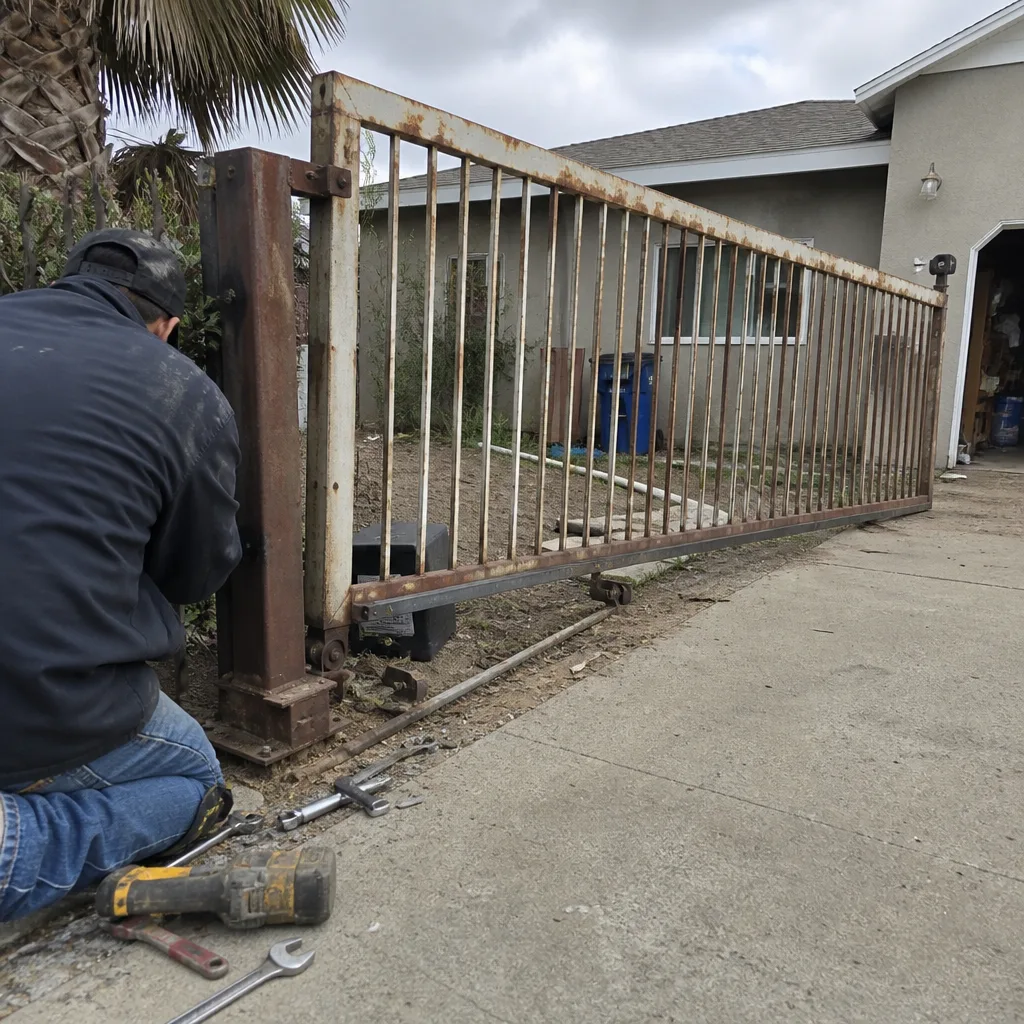 Before
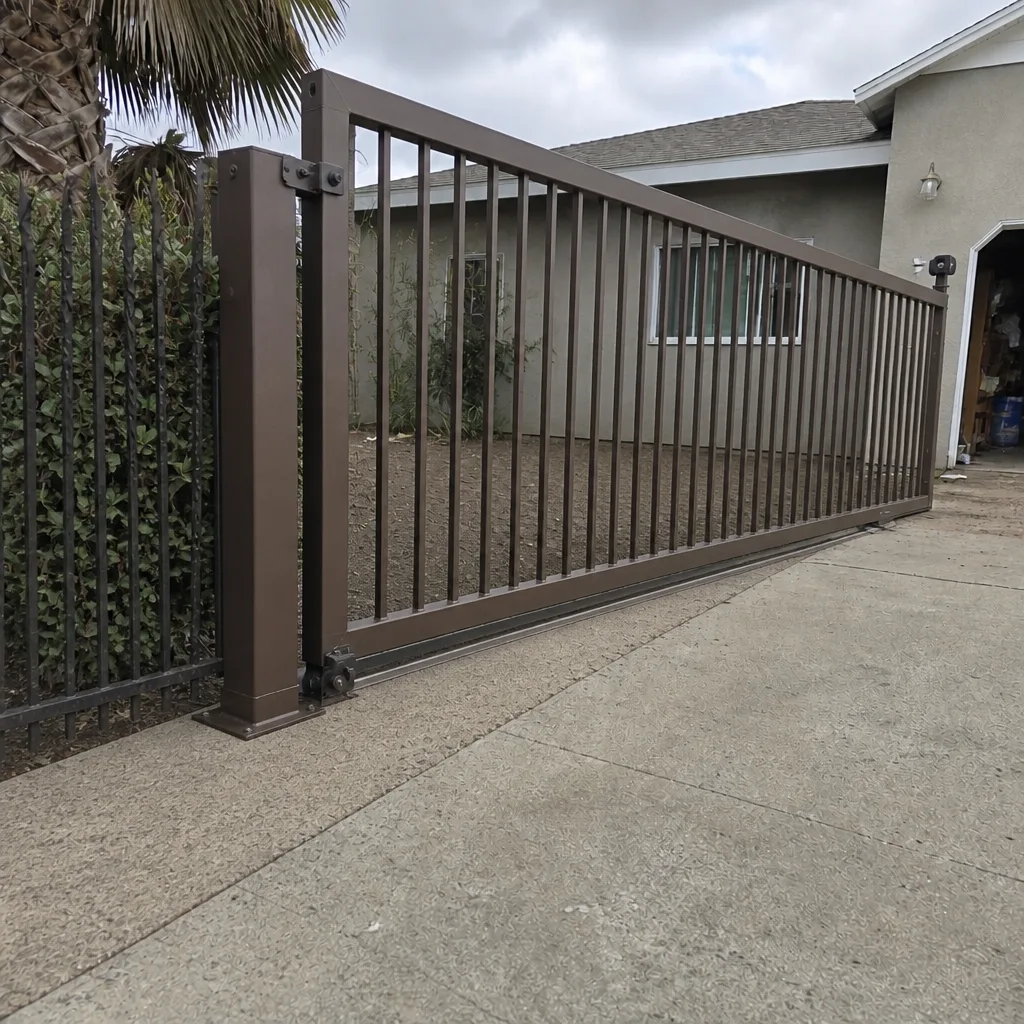 After
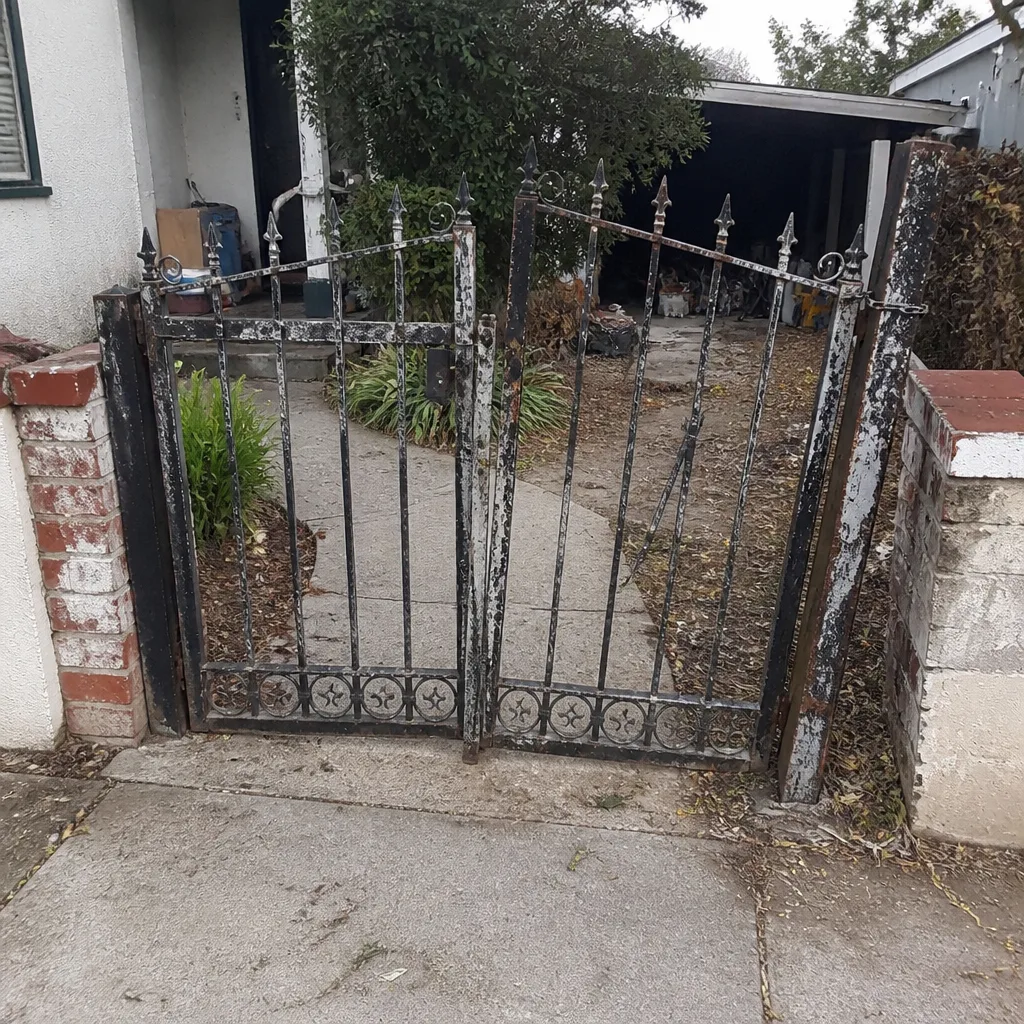 Before
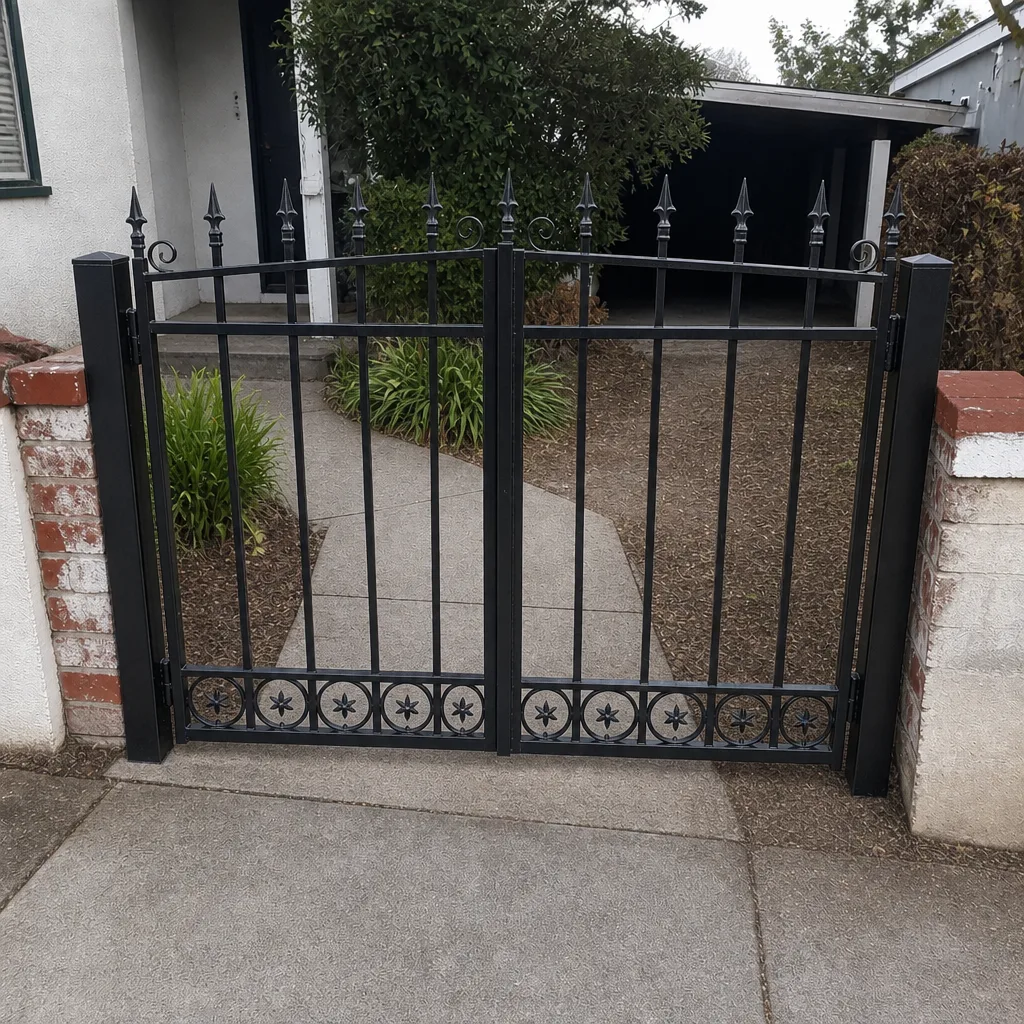 After
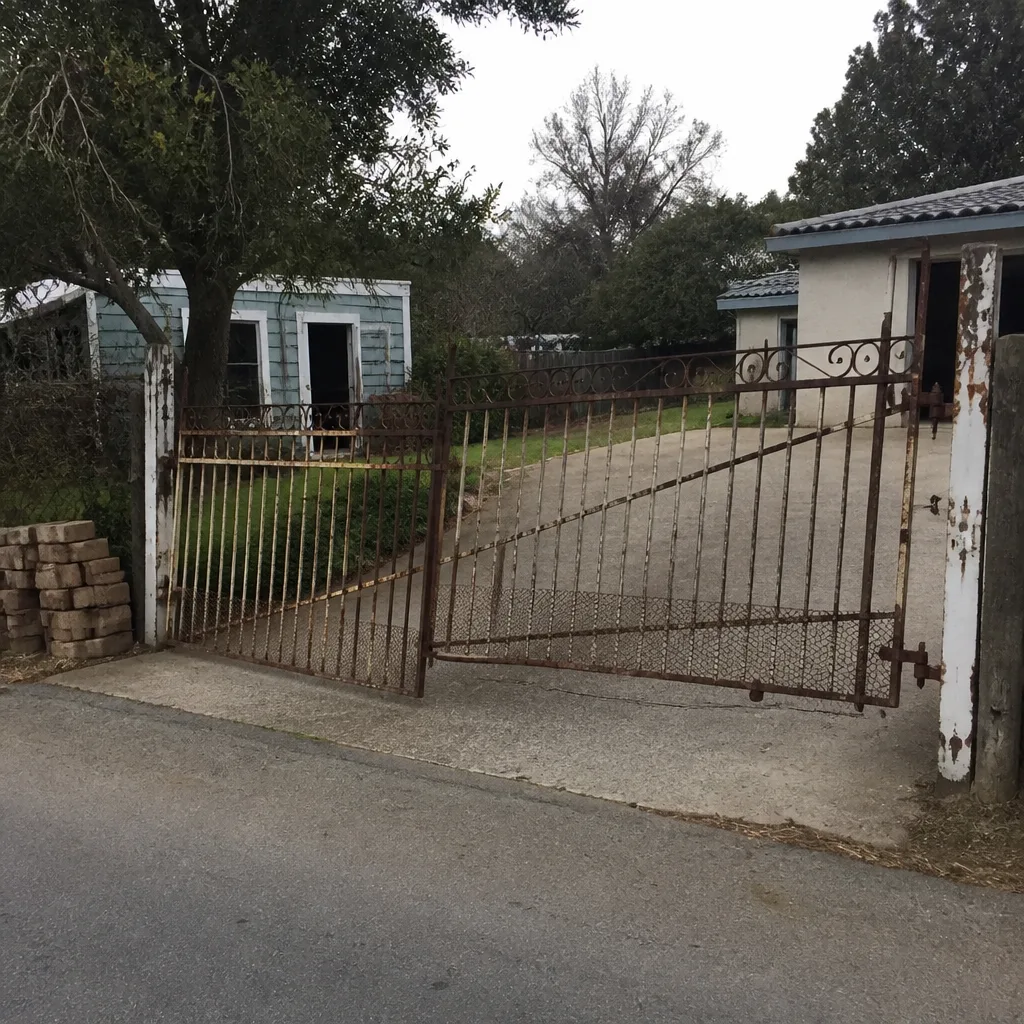 Before
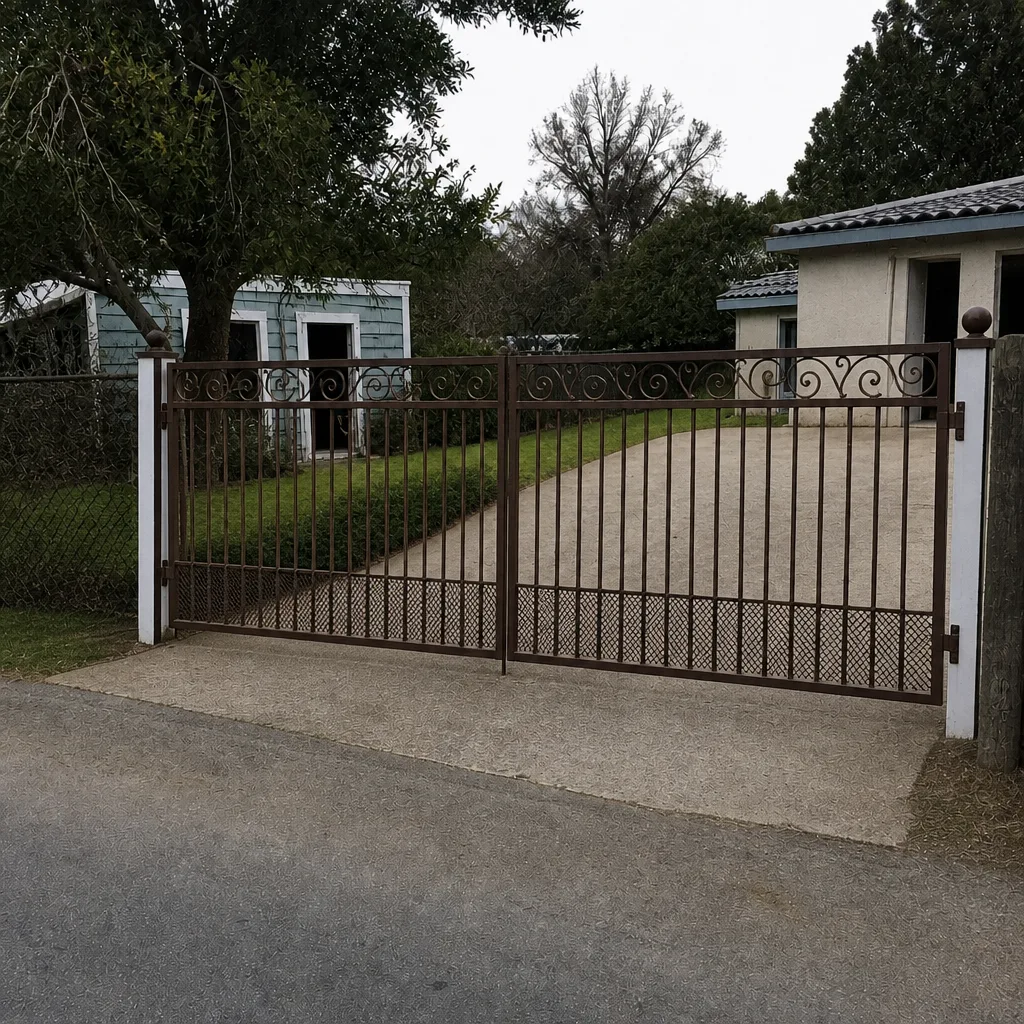 After
Frequently Asked Questions
Twice a year, in spring and fall, using a dry PTFE spray, not a grease. Monthly lubrication is one of the most common reasons automated gates need early operator replacement, because grease attracts grit that turns into an abrasive paste. If your chain feels wet or tacky to the touch, it’s over-lubricated. Call (888) 704-3384 for an exact quote on chain and sprocket replacement – estimates are free.
March. The post-rainy-season inspection covers the components the wet winter affects most: rusty rollers, soil shift under swing-gate posts, water ingress in underground operator housings, and moisture in motor terminals. The rest of the calendar is much easier if March is done properly. If your gate hasn’t been looked at since last fall, that’s the place to start. Call us for a free estimate.
Disconnect the AC power and run the gate through at least three full open-and-close cycles. A healthy battery will handle three cycles without visible slow-down. A weak battery will slow or stall partway through. The green indicator light on most operators does not measure this; only a load test does.
Swing gates need more frequent post-plumb checks and hinge lubrication; slide gates need more frequent roller and track checks. Both need spring and fall lubrication of the moving parts and both need the March inspection. The priorities and intervals differ because the wear patterns differ. Our electric gate repair technicians adjust the schedule to the specific gate type.
Replace rollers when you can feel roughness or a grind in the bearing, and replace hinges when the pin has visible rust or the hinge wobbles under load. Waiting for either to seize forces the operator to work harder and can damage the track or gate frame. For more on what we look at during a repair, visit Gate Repair Salinas. Call for a free estimate on a proactive replacement.
Yes, usually. Commercial gates cycle far more often, which means barrier arms and high-traffic slide gates need monthly safety-device checks and quarterly counterweight and load checks. The March inspection and twice-yearly lubrication still apply, but the rest of the calendar is compressed for cycle count. For a schedule tuned to your specific commercial gate, call (888) 704-3384 – estimates are free.
The Bottom Line
Gate maintenance is a schedule, not a task. The right service at the wrong interval can wear a component faster than no service at all, and the difference between a gate that runs for years and one that needs an operator replacement early usually comes down to three things: correct lubrication, a March inspection after the rainy season, and a real battery load test twice a year. Component benchmarks help you budget proactively for rollers, hinges, and loop detectors rather than waiting for failure. And when the work is outside what you’re comfortable with, especially on the electrical side, call a trained technician. If you aren’t sure whether your gate needs a repair or just the next item on the calendar, call (888) 704-3384 for a free estimate. We answer 24/7. Fast dispatch from 7am to 7pm, Sunday through Friday.
Written by the team at Gate Repair Salinas.