
Last updated November 16, 2026
 Wrought iron
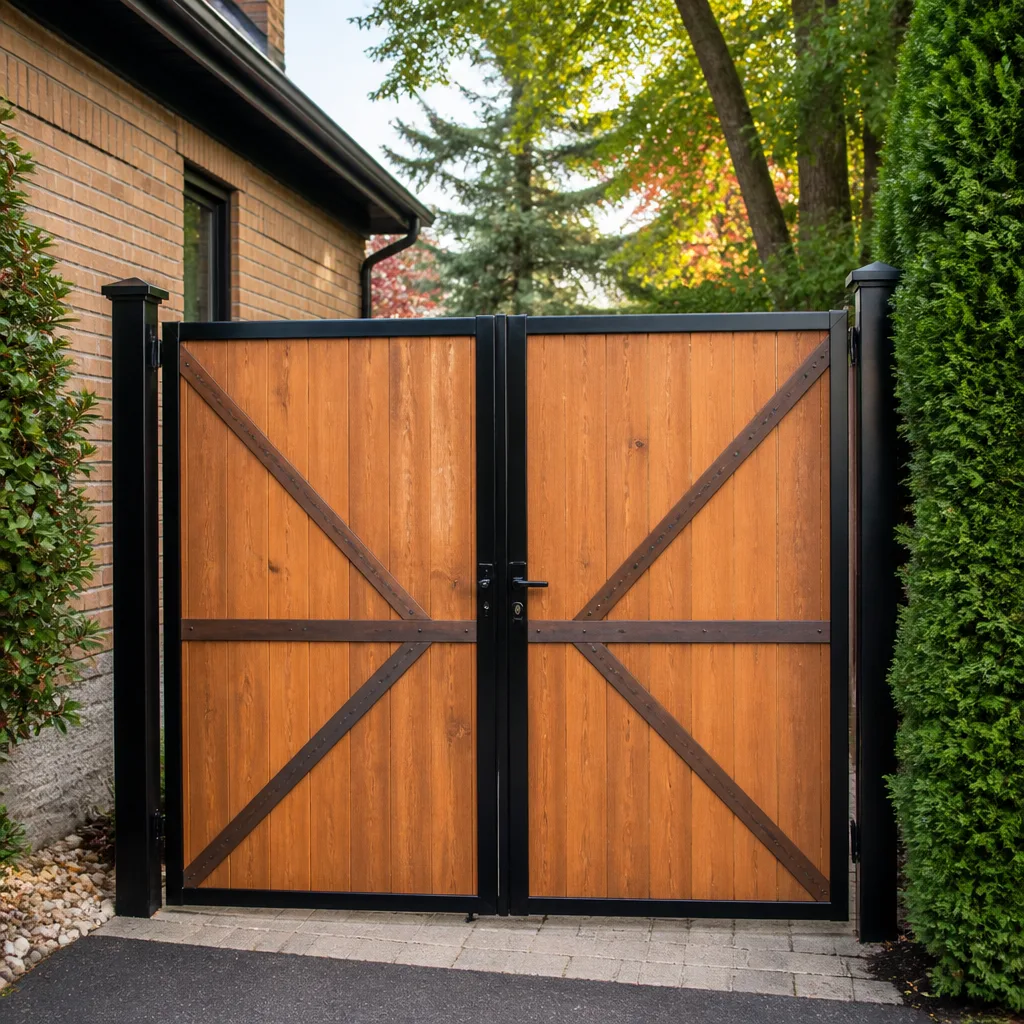 Wood & steel frame
 Farm & ranch
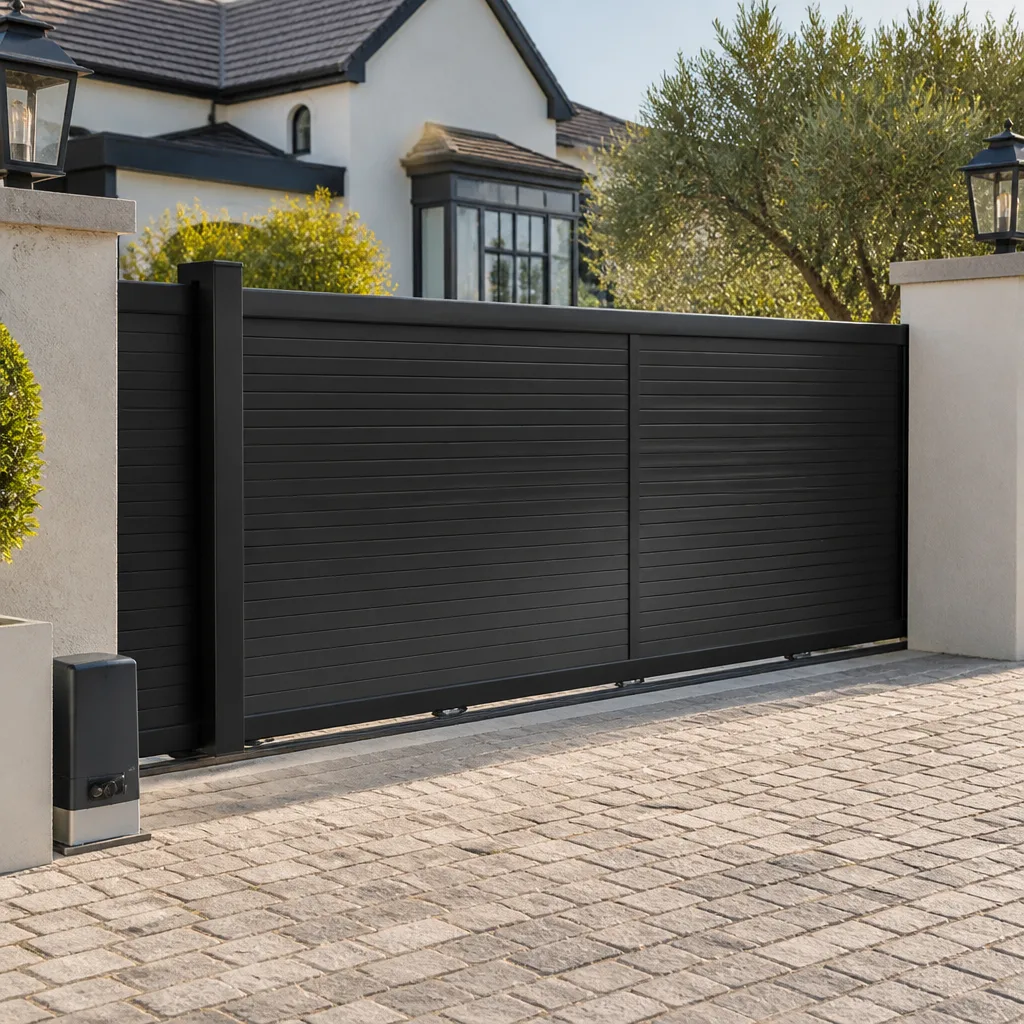 Sliding driveway gates
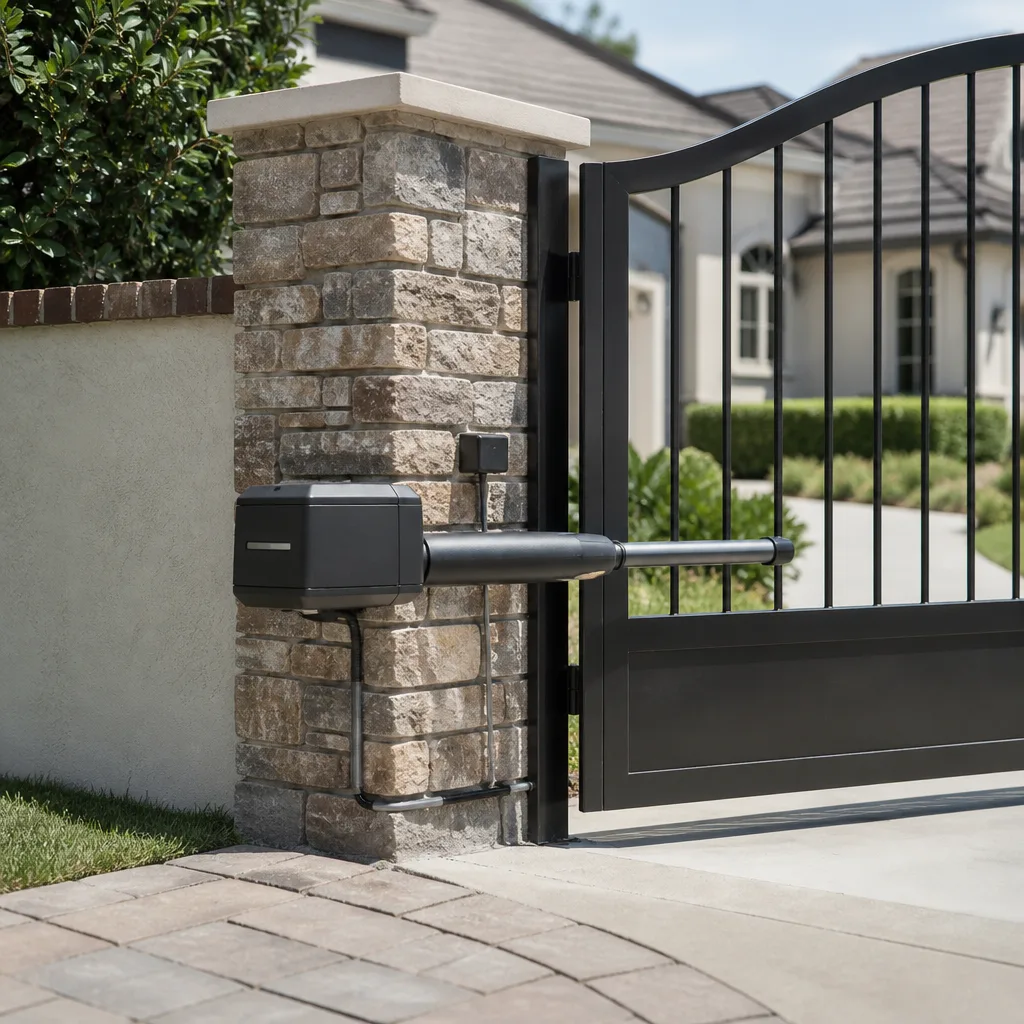 LiftMaster operators
Free on-site gate assessment - hinges, posts, and your LiftMaster or Nice gate operator checked before anything is quoted
The assessment is free and the quote is the invoice.
Get your free estimateGate Repair Troubleshooting in Salinas: Common Problems and How to Fix Them
Most people assume a gate that stops working has an electrical problem. In our experience, the opposite is true far more often. When a gate grinds, hesitates at the same spot every time, or reverses before it closes, the cause is usually mechanical wear: a roller that has flattened, a hinge that has stiffened, or a limit switch that has drifted out of position. The control board gets blamed first and replaced last, which is the most expensive order to do things in.
This guide is about reading what your gate is telling you before you pick up the phone. We’ll walk through the difference between mechanical and electrical symptoms, the specific conditions in Salinas that wear gate hardware faster than other places, how to look up fault codes on common operators, and which fixes you can safely handle yourself. By the end, you’ll know whether you’re looking at a five-minute adjustment or a job for a gate-only technician.
Quick Answer
The most common gate problems in Salinas are worn rollers, misaligned limit switches, and stiff or corroded hinges, which together account for the majority of grinding, binding, and reversing complaints. Electrical faults are real but less frequent, and they usually announce themselves differently: no response at all, a flashing fault code, or a motor that hums without moving the gate. Check the mechanical side first, because it’s cheaper, faster to diagnose, and the actual cause more often than not.
Styles & brands we work with
- Wrought iron
- Wood & steel frame
- Farm & ranch
- Sliding driveway gates
- LiftMaster operators
Table of Contents
- Mechanical vs. electrical: how to tell the difference
- The visual inspection sequence to run first
- What Salinas does to gate hardware
- Reading fault codes on common operators
- Three fixes you can safely do yourself
- Four problems that need a technician
- When a working gate is already failing
- Keeping your gate out of the repair queue
How Do You Tell a Mechanical Gate Problem From an Electrical One?
Mechanical problems show up as resistance. The gate moves, but it complains about it: grinding, squealing, jerking, slowing at a particular point in its travel, or stopping and reversing as though it hit something. Electrical problems show up as absence. The gate doesn’t move at all, the motor is silent, the operator clicks once and does nothing, or a fault light flashes a pattern.
That distinction matters because it tells you where to look. A gate that reverses on its own is almost always meeting resistance somewhere in its path. The operator’s safety system is doing its job: it senses the extra load and backs off. Replacing the control board won’t fix resistance in a roller. It just moves the problem to a new component and adds a bill.
Here’s the quick comparison we use:
- Mechanical symptoms: grinding or squealing noise, gate binds at one spot, movement is slow or uneven, gate drags on the ground, hinges or rollers visibly worn, gate sags at the latch end.
- Electrical symptoms: complete silence when you press the remote, motor hums but the gate doesn’t move, operator clicks repeatedly, fault code flashing on the control board, safety sensors dead (no LED), remote works intermittently from close range only.
- Ambiguous symptoms (usually mechanical): reverses mid-travel, needs two button presses to start, motor runs longer than it used to, occasional stops with no pattern.
- Ambiguous symptoms (usually electrical): gate works on the keypad but not the remote, or works from one remote but not the other.
If you’re seeing more than one symptom from the mechanical list, resist the urge to diagnose the electronics until you’ve inspected the hardware. In our experience, the hardware is where the answer usually sits. A proper gate repair visit starts with the same logic, just with better tools and a trained eye.
What’s the First Thing to Check on a Stuck Gate?
Before anything else, disconnect the operator. Most residential and commercial gate operators have a manual release lever or key that lets you move the gate by hand. With the operator disengaged, push the gate through its full travel cycle. This one step tells you more than any diagnostic tool.
Here’s the sequence:
- Release the operator. Follow the release instructions on your specific operator. If you don’t have them, look up the model number on the manufacturer’s site. Do this only with the power to the operator switched off at the breaker.
- Push the gate by hand, slowly, full arc. A swing gate should move with light resistance from a single hand. A slide gate should roll with a steady push. If either binds, grinds, or feels heavy at any point, you’ve found a mechanical problem.
- Watch the gate’s clearance. Does the gate drag on the ground, or come close to the pavement at one end? Note where.
- Inspect the moving hardware. Rollers, hinges, guide wheels, and tracks. Look for flattening, cracks, rust, or debris packed into the track.
- Check the safety sensors and photo-eyes. Clean the lenses and confirm the alignment LEDs are lit on both sides.
- Re-engage the operator and listen. If the gate now moves freely by hand but still struggles under power, the resistance is downstream of the motor, or the motor’s force setting has drifted.
We get calls every week where this five-minute sequence would have pointed straight at the cause. When you’re ready for a professional set of eyes, an electric gate repair visit covers the motor, the control board, and the mechanical assembly in one pass, because on a real gate they don’t fail in isolation.
Why Do Gates Wear Differently in Salinas?
Salinas sits in a valley where the daily weather swings more than most people expect. Cool, damp mornings give way to warm, dry afternoons, and that cycle repeats through most of the year. Gate hardware doesn’t love that rhythm. Metal expands and contracts mildly, lubricant thins and retreats, and condensation collects in places that don’t see much airflow. The result is a slow, steady buildup of friction that eventually shows up as binding, grinding, or a gate that seems to “catch” in the morning and work fine by afternoon.
Three specific conditions drive most of the gate wear we see around Salinas:
- Morning condensation inside control boxes. Cool nights leave moisture on the inside of an operator enclosure. Over time, that moisture finds its way into terminal blocks and control board connectors. The early warning signs are usually intermittent: a gate that works on some days and not others, remotes that seem range-sensitive, or a fault code that comes and goes.
- Soil settlement under gate posts. Salinas valley ground shifts with irrigation, dry seasons, and the general settling that happens under heavy posts. A swing gate that used to clear the ground cleanly may start dragging at the latch end, which loads the operator and triggers phantom reversing. A gate post that has moved even slightly throws the whole geometry off.
- Airborne dust and grit working into rollers and tracks. Agriculture and dry afternoons mean a steady supply of fine grit. It doesn’t destroy hardware outright, but it accelerates wear exponentially when a roller hasn’t been lubricated.
A gate that grinds in the morning and works in the afternoon isn’t imagining it. That’s weather-driven friction, and it’s a signal to inspect and lubricate before the wear becomes permanent.
How Do I Read the Fault Code on My Gate Operator?
Fault codes on LiftMaster, DoorKing, Linear, and other operators are diagnostic shortcuts. Learning the most common patterns helps you describe the problem accurately to a technician, which shortens the conversation and often the visit. That said, code lookup is a starting point, not a repair manual. A code tells you what the operator is seeing, not necessarily what’s actually wrong.
Here are the patterns we see most often:
- LiftMaster operators typically report faults on a diagnostic LED or through a set number of blinking cycles. Repeating blinked codes usually point to safety sensor issues, obstruction sensing, or a limit switch position that doesn’t match the motor’s expected travel. LiftMaster is one of the brands our technicians work with daily, and the codes shift between model generations, so the operator’s own manual is the reference.
- DoorKing operators handle commercial properties heavily, and their fault reporting is more detailed than most residential units. Errors can flag anything from loop detector failures to operator overload to an encoder that’s out of sync. If your DoorKing system is on a commercial property or HOA, fault code interpretation usually needs a technician who works on those units regularly.
- Linear operators reports tend to be less verbose, often through LED blink patterns. Reversing complaints usually route back to limit switch condition or safety sensor state. Linear units are common on residential swing gates throughout Salinas, and the fix is more often mechanical than electrical.
One rule: never open a control box to inspect the board unless you’re comfortable working around live line voltage. The board has mains power on it. If a code is telling you the board is failing, that’s a technician’s job, not a homeowner’s. We work on the specific logic and components of each of the nine operator brands we service, from Gate Repair Salinas through the full spread of residential and commercial systems, including FAAC, Elite, Mighty Mule, BFT, Viking, Ghost Controls, and DoorKing.
Which Gate Fixes Can I Safely Do Myself?
Three fixes are safe for a reasonably handy homeowner, provided the operator is disengaged and the power is off. Anything involving the control board, wiring, motor, or post work belongs to a technician. The line between the two isn’t about skill, it’s about the consequences of getting it wrong.
The safe three:
- Lubricate the rollers, hinges, and track. Use a lubricant that stays put rather than one that runs. Apply to the bearings and pivot points, wipe off excess, and work the gate by hand to spread it. This alone resolves a surprising share of grinding and binding complaints.
- Clean and realign the photo-eye sensors. Wipe the lens with a dry cloth. Confirm both sensors show steady LED alignment. If a bracket is loose, tighten it so the beam stays pointed at its partner. Intermittent reversing is often a slightly off-aim sensor rather than a bad operator.
- Reset the limit switches (manual reset only). If your gate stops short or overshoots by a small amount, the limit switch may have drifted. On many operators, limit switches can be re-set following the manual’s procedure. Follow it exactly, one step at a time, with the power off until the manual tells you to turn it on. If the limit switch itself is cracked or worn, stop and call a technician.
Notice what’s not on that list: opening the control box, adjusting force or speed settings, tweaking the sensitivity of the reverse function, replacing a motor, or modifying a wiring run. Each of those can leave a gate unsafe without you realizing it. A gate that doesn’t reliably reverse is a gate that can hurt someone.
If a seasonal cleaning and lubrication solves the problem, great. If you’re back to the same symptom within a couple of weeks, the underlying wear is real, and it’s time to look at the whole mechanism with someone who sees gate hardware every day.
Which Gate Problems Require a Professional?
Four problems consistently need a technician, and each carries real risk if attempted without the right training and tools. We’d rather tell you this plainly than watch you spend a weekend on a repair that’s going to fail again.
- Control board faults and motor failures. These involve line voltage, and the components are often brand-specific in ways that make generic replacement a bad bet. A control board installed without matching the operator’s firmware and settings can behave unpredictably. Motor replacement is even more sensitive: the motor must match the operator’s force profile and travel limits.
- Wiring problems, power runs, and intercom faults. Anything inside the enclosure, in the loop wiring, or between the operator and its remote access devices is a technician’s territory. Bad wiring is a common cause of intermittent faults that look mechanical at first.
- Safety edge and reverse-function failures. If the gate doesn’t reverse when it should, that’s a safety failure. Never leave a gate in service with a compromised safety edge or reversing function. Either the repair happens or the gate stays disengaged.
- Post, track, and foundation movement. A gate post that has shifted or a track that’s no longer level will never hold adjustment until the underlying structure is fixed. This is the kind of work that demands knowing how far the problem goes before you quote it. Post holes go to proper footing depth, and a gate post that’s leaning from settlement needs to be reset or replaced, not shimmed.
Some problems cross the line. A DoorKing commercial operator that reports an encoder error needs a technician. A Mighty Mule residential unit with a grinding roller might be a homeowner-safe fix if the operator is disengaged and the roller is accessible. In our experience, the mechanical parts of a gate are where homeowners can safely take some ownership, and the operator, wiring, and structure are where a specialized visit pays for itself.
What Are the Signs a Working Gate Is About to Fail?
A gate that “works” isn’t the same as a gate in good condition. There’s a long stretch between a gate at peak and a gate that’s broken, and most of the warning signs in that stretch are subtle enough that they get ignored until a breakdown forces the issue. Reading them early is the cheapest repair you’ll ever have done.
The signs we’d act on:
- The motor runs longer than it used to. If the cycle time has noticeably increased, the operator is working harder to overcome resistance. That resistance is mechanical wear, and it will keep growing.
- You need two button presses. A gate that requires two tries to start is usually sluggish at the initial movement, meaning the motor is fighting the load. One cause is a binding roller or a sticky hinge.
- The gate reverses occasionally with no pattern. Intermittent reversing is the operator doing its safety job. The question is what it’s detecting. Sometimes it’s a photo-eye, sometimes it’s friction. Either way, it’s a signal.
- You hear a new sound. Any new grinding, squealing, thumping, or clicking that wasn’t there before is worth investigating. Sounds precede failure in almost every case.
- Remotes lose range gradually. If your remote used to work from the driveway and now only works from close up, the receiver or antenna may be compromised. That can be moisture, a battery, or a wiring issue.
A one-off odd behavior is worth writing down. A pattern is worth a call. The cost of a diagnostic visit to look at a gate that’s still working is small compared to the cost of a gate that fails closed at 6am on a day you need it open. If your property is in Salinas and you’d rather get ahead of it, we can look at the whole system and tell you what actually needs attention.
How Do You Keep a Gate Out of the Repair Queue?
Gate longevity comes down to lubrication, inspection, and getting the small things fixed while they’re small. There’s no secret. Hardware that moves needs to stay clean and lubricated, and hardware that is starting to wear needs attention before the wear turns into stress on the operator.
A practical routine:
- Quarterly lubrication of rollers, hinges, and track. Use a lubricant suited to gate hardware. More important than which product you use is that you apply it consistently.
- Monthly visual check of the safety sensors, the gate clearance under the lowest point, and the mounting hardware. Thirty seconds of looking catches a lot.
- Seasonal clearing of the track and any debris that has collected around the operator enclosure. Grit is the enemy of smooth movement, and Salinas produces plenty of it.
- Annual inspection by a gate specialist if your gate carries traffic daily. Someone who works on gates every day notices the small shifts and looseness that a homeowner’s eye skips.
For operators and commercial systems, “maintenance” is a one-time visit priced per job after we look at the specific gate. There’s no schedule to sign up for, and no ongoing obligation. If you want someone to look once and tell you what needs doing, that’s exactly what we do.
Common Mistakes to Avoid
- Assuming the control board is bad because the gate won’t move. Board replacement is the most expensive guess in gate repair, and the underlying problem is often a worn roller or a stiff hinge. On a gate we opened in Salinas, the board was perfect and the roller was flat.
- WD-40 on hinge pins and rollers. It’s a light solvent, not a lasting lubricant. It may feel better for a day and then attract grit, which is worse than doing nothing. Use a proper gate lubricant.
- Adjusting the operator’s force setting to push through resistance. Increasing force masks the real problem and can cause damage to the motor or, worse, defeat the safety reverse. If you’re tempted to raise force, that’s the signal to find the actual cause.
- Leaving the gate in service with a non-working safety edge or reversing function. A gate that doesn’t reverse is a serious hazard, particularly on a property with children, pets, or vehicle traffic. If the safety features aren’t working, the gate should be taken out of service until they are.
- Assuming the remote is the problem when the gate moves on the keypad. The remote works; the operator’s not responding. The problem isn’t in the remote or the receiver if the same cycle works on another input. Look at the operator’s state before you replace remotes.
- Ignoring a gate post that has shifted. A gate that has settled out of alignment will keep drifting out of adjustment until the post is reset. Fixing the operator or rolling hardware first, without addressing the post, leaves you with a repair that won’t hold.
- Chasing symptoms across seasons. A gate that binds in cool morning weather and works by afternoon isn’t fine. The bind will worsen, and the damp season will hand you a much larger repair.
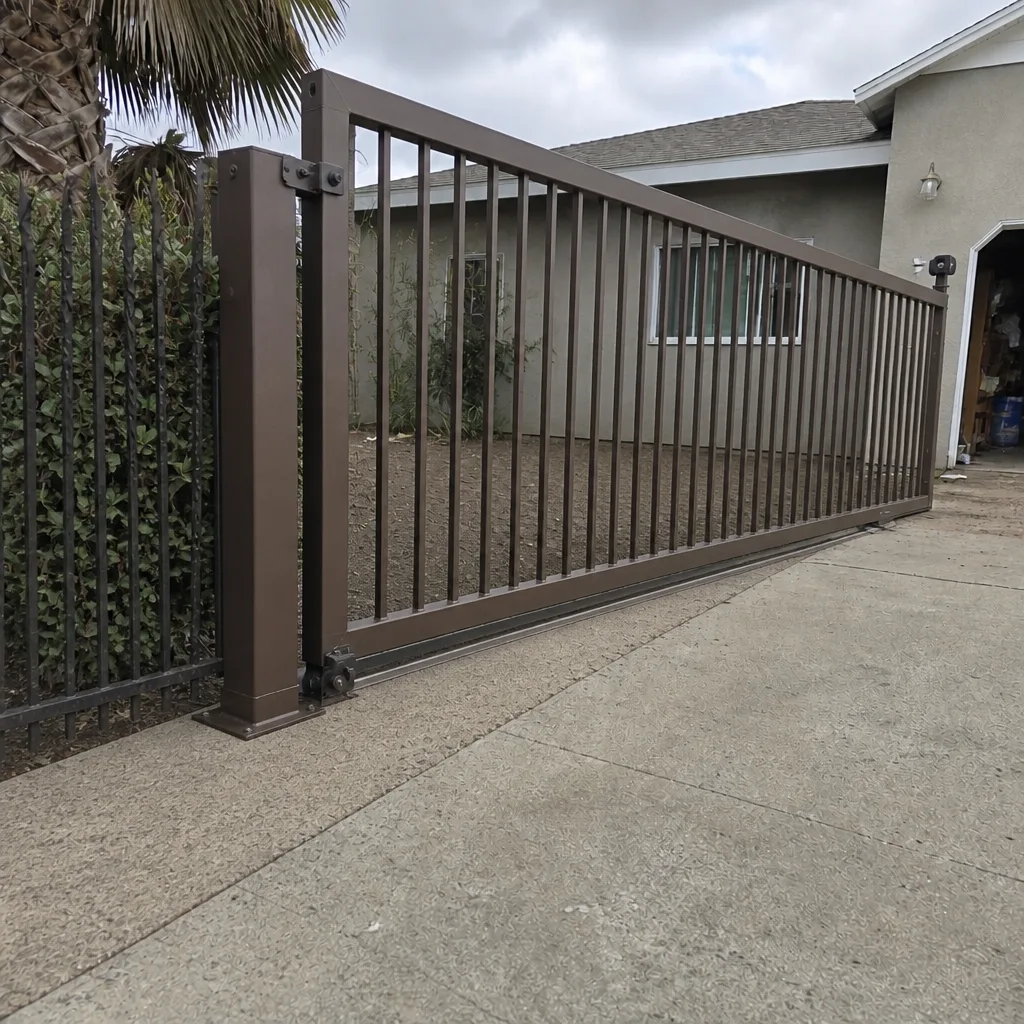
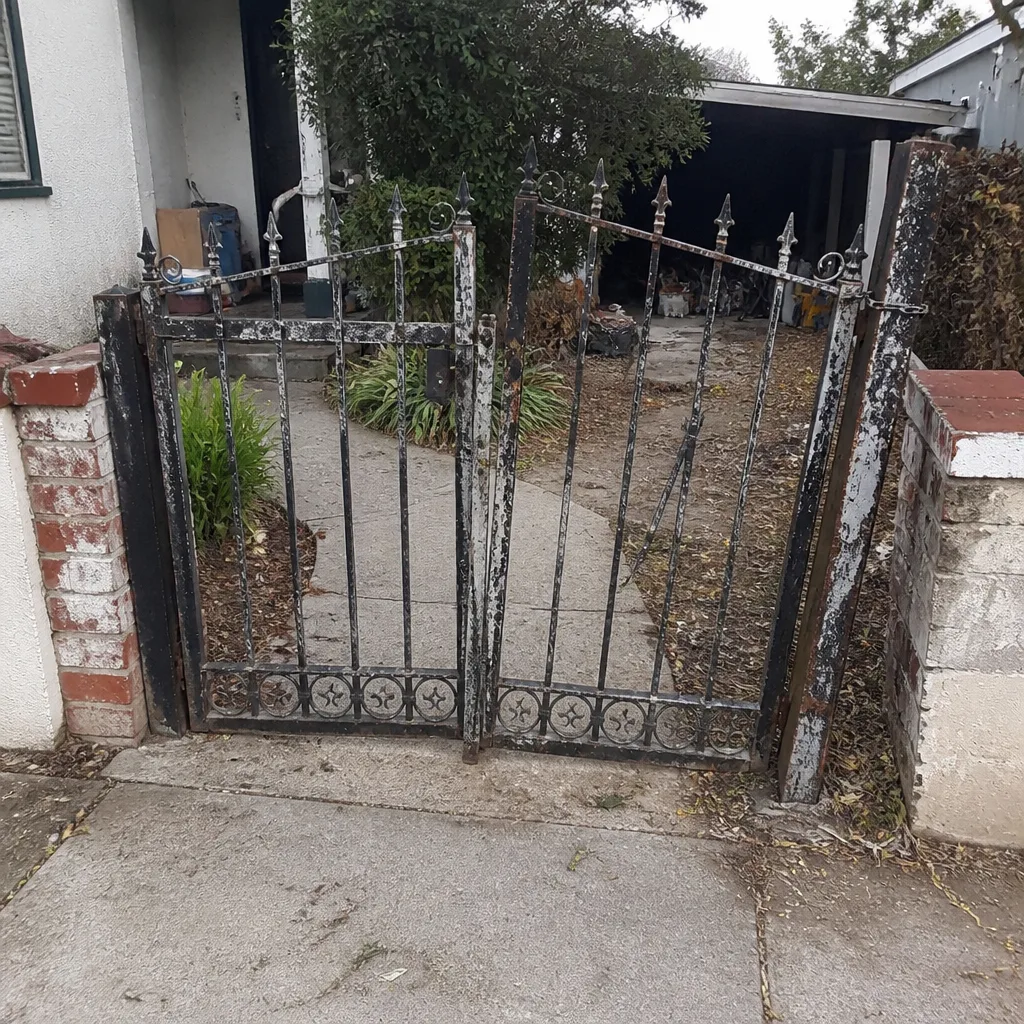
See the difference
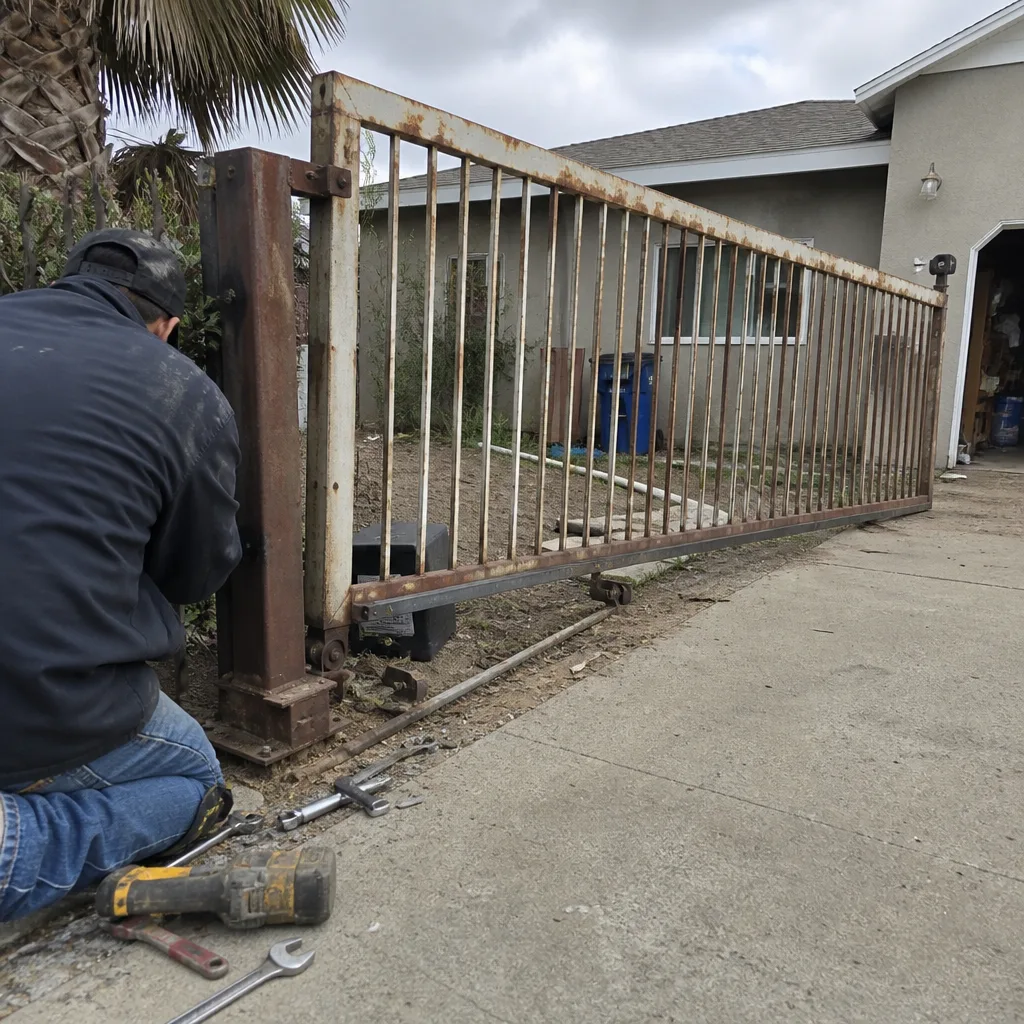 Before
 After
 Before
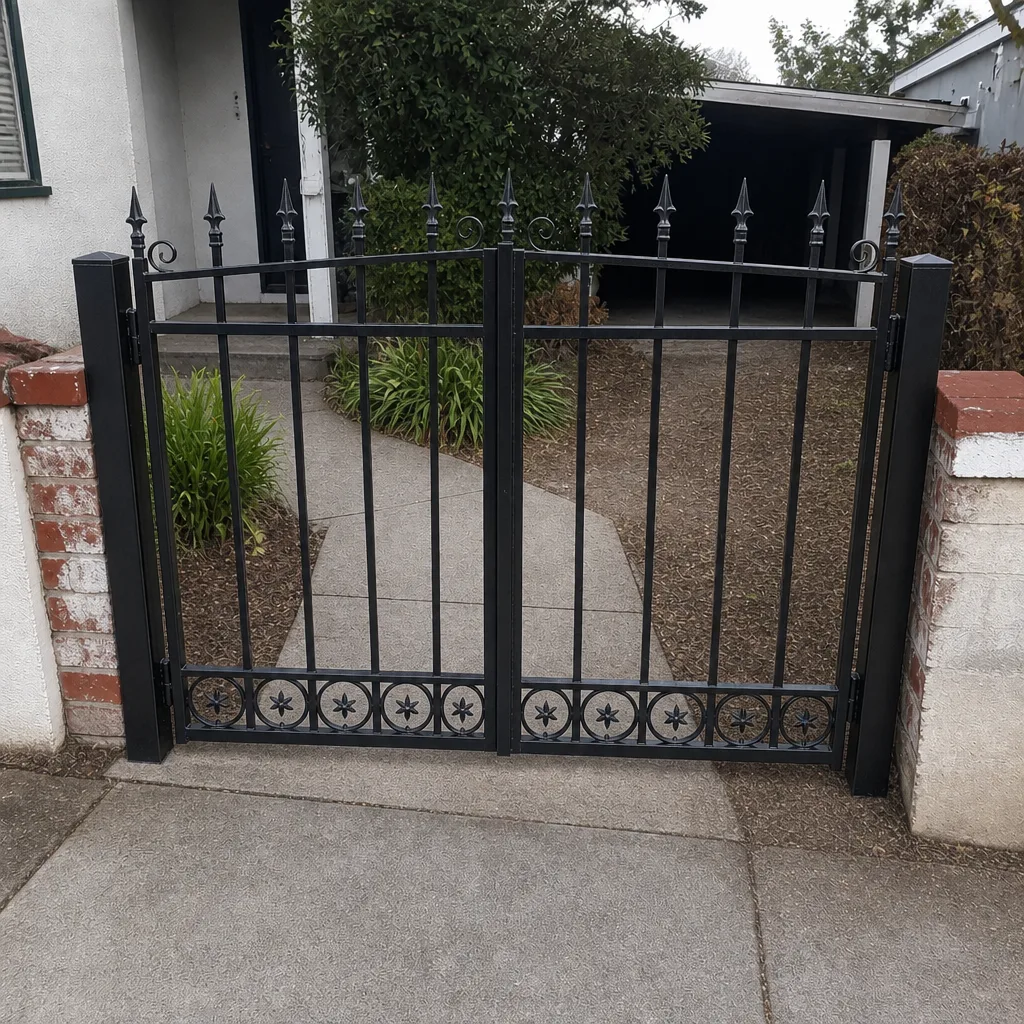 After
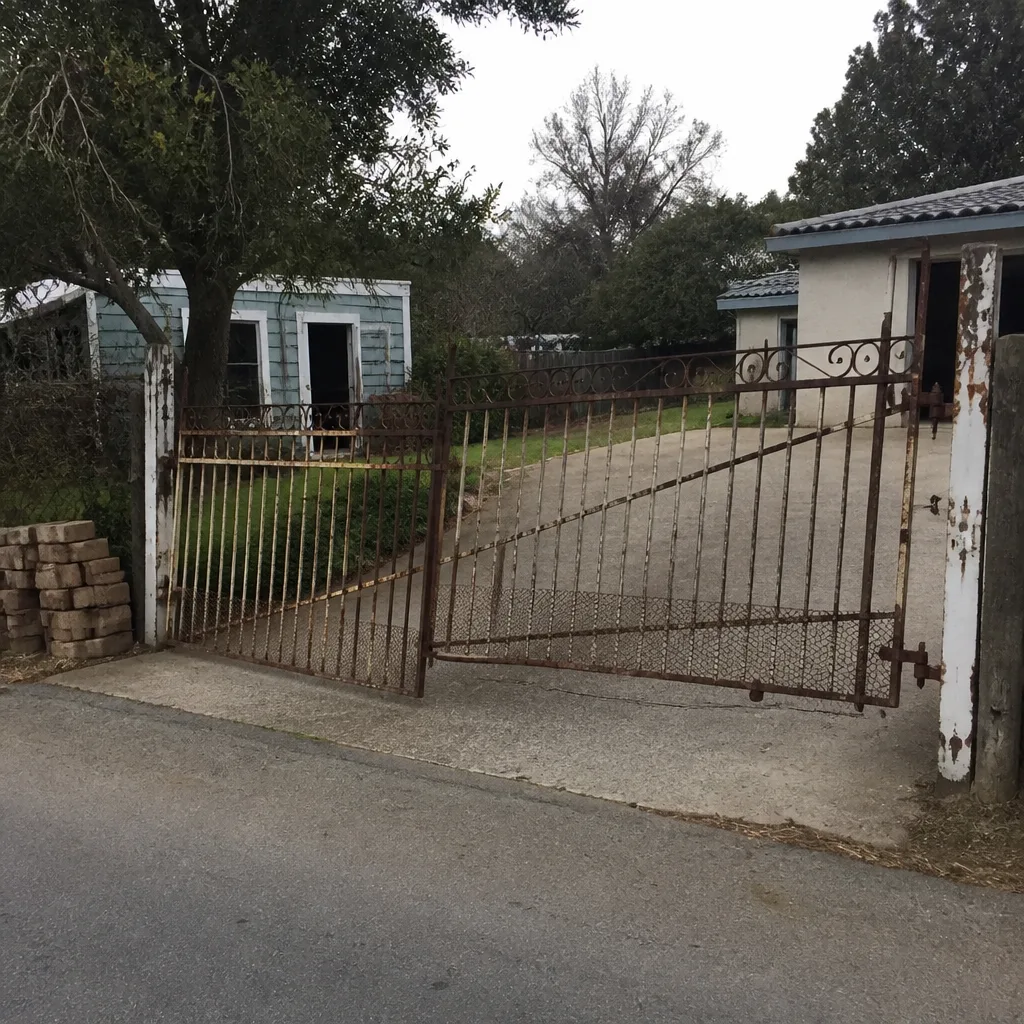 Before
 After
When to Call a Professional
Call a professional when the problem crosses into the control board, wiring, motor, safety function, or structure. And call sooner rather than later when any of those things are intermittent: intermittent electrical faults are the ones that fail at the worst time, and it’s cheaper to diagnose them while the operator is still behaving enough to give you a clue. Also call when your gate moves by hand with resistance you can’t isolate, or when you’ve done the safe three fixes and the symptom returns within a few weeks.
Gate Repair Salinas offers free estimates in Salinas. We answer 24/7, and fast dispatch runs from 7am to 7pm, Sunday through Friday. Call (888) 704-3384 to book a visit, and we’ll work through the mechanical side first because that’s where the answer usually sits. Our technicians have up to 15 years of experience with gate hardware, and we handle both residential and commercial systems under one roof.
Frequently Asked Questions
Most gate repairs in Salinas run somewhere in the range of a diagnostic visit plus the parts and labor to fix the specific issue, and the price is always quoted per job by a written estimate before any work starts. A roller or hinge replacement is on the lower end; a control board or motor repair is at the top. There is no fee to get the estimate, and you’ll see the number before we touch the gate. Call (888) 704-3384 for an exact quote – estimates are free.
Often yes for electric gate repair on systems that won’t open or won’t close. We answer 24/7, and fast dispatch runs from 7am to 7pm, Sunday through Friday. A call outside dispatch hours gets booked into the next opening. Call (888) 704-3384 and describe what the gate is doing so we can bring the right parts.
Reversing almost always means the operator is sensing resistance and backing off as a safety response. The cause is usually a stiff hinge, a worn roller, or a photo-eye sensor that’s slightly off alignment or has a dirty lens. Start with the safe checks: clean the sensors, lubricate the moving hardware, and try the cycle by hand with the operator disengaged. If the reversing continues, the underlying friction is beyond a homeowner fix. Call (888) 704-3384 for a free estimate on the diagnostic.
We work on nine operator brands: LiftMaster, FAAC, BFT, Linear, Viking, Ghost Controls, DoorKing, Elite, and Mighty Mule, across both residential and commercial systems. That means the parts, the logic, and the fault patterns of your specific machine are familiar to us before we arrive. Call (888) 704-3384 with your operator’s brand and model if you have it, and we’ll route the visit accordingly.
Yes. Wiring, power runs to the operator, intercom faults, safety edge replacement, and reverse-function diagnostics are all part of what our technicians do on a standard electric gate repair visit. Those are the parts of a gate that belong to a trained technician, not a homeowner, and we’d rather you call us than take a risk with mains wiring or a compromised safety edge. Call (888) 704-3384 for a free estimate.
In most cases an older gate is worth repairing, because the mechanical parts are what wear out and the structural components are durable. A gate that’s been properly maintained can go a long way. The question we ask at a visit is whether the repair gets you a reliable gate for years, or just patches the symptom for a few months. If a post has moved or the operator has reached end of life, replacement of that component is the right call and we’ll explain why. Call (888) 704-3384 for a free estimate and a candid answer.
More Resources
If you’re still mapping out the problem, two other pages are useful starting points. Our electric gate repair service covers the full diagnostic scope from motor to control board, and our Salinas service area page lists the neighborhoods and property types we work with regularly. Between this guide and those pages, you should have a clear sense of what’s happening and what comes next.
The Bottom Line
Most gate problems in Salinas come from the moving parts, not the electronics. Rollers, hinges, limit switches, photo-eyes, and posts are the usual suspects, and they’re also the easiest to inspect because you can look at them directly. Check the mechanical side before you suspect the control board. Learn the difference between resistance symptoms and absence symptoms, run the safe three fixes when they apply, and treat the operator, wiring, safety edges, and structure as a specialist’s territory. Every gate repair is priced per job by a written estimate, before any work starts. One call covers repair and installation, so you don’t need a second contractor.
Call (888) 704-3384 for a free estimate. We answer 24/7, and fast dispatch runs from 7am to 7pm, Sunday through Friday. We work on your brand, we diagnose from motor to control board, and our technicians have up to 15 years of gate hardware experience to bring to your system.
Written by the team at Gate Repair Salinas.